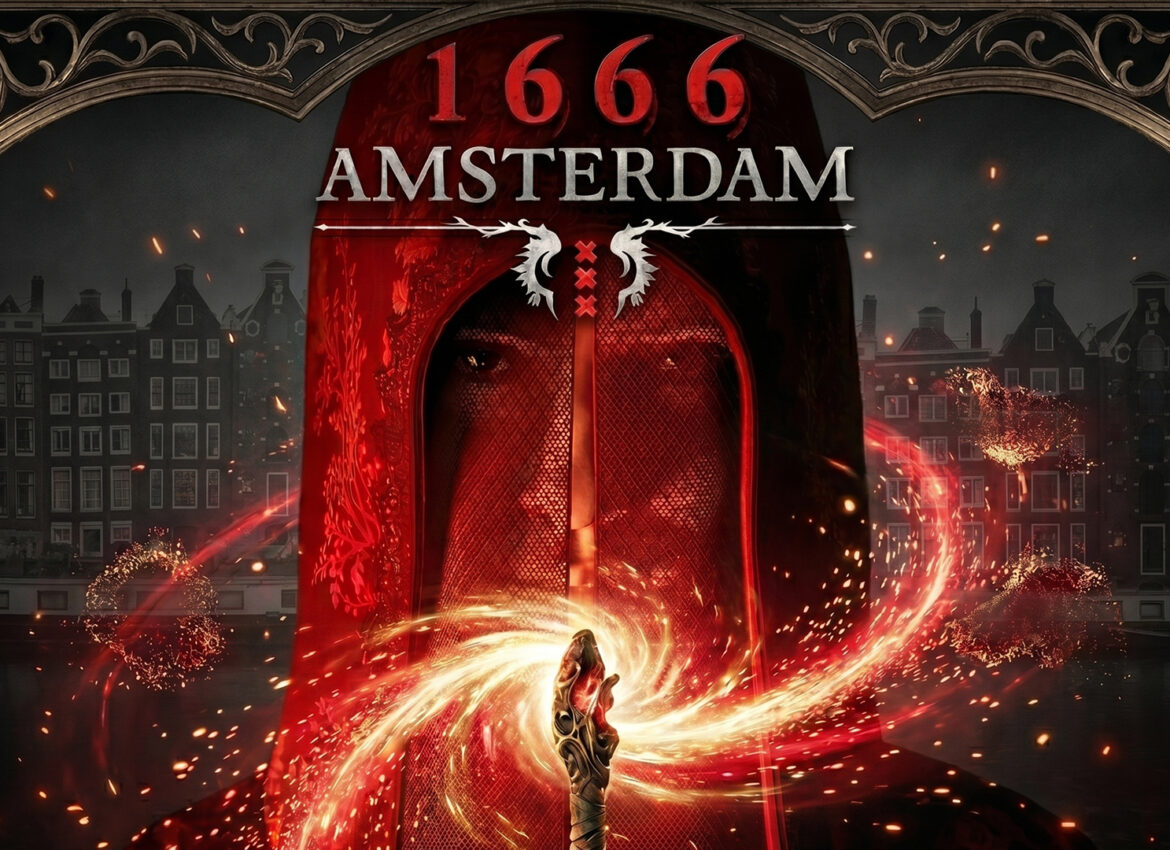
Patrice Desilets, the creative mind who built the original Assassin’s Creed and its 2009 sequel at Ubisoft, is back with a new project called 1666: Amsterdam, and the reveal trailer at Summer Game Fest 2026 came with something Ubisoft’s own franchise has been teasing for years but hasn’t shipped: a free, playable prologue you can download right now. If you’ve been searching for the Amsterdam 1666 cat companion choice, you already know the trailer leans hard into witchcraft, a time-hopping cat, and a mystery spanning three centuries. This piece breaks down who Noa actually is, how the timelines connect, what the companion choice really does in the current build, and why so many players keep comparing this game to Ubisoft’s still-unreleased Assassin’s Creed Hexe.
Bookmark this guide before you dive into the free prologue on Steam or Epic Games Store, since a few of the details below are easy to miss on a first playthrough. And if you’re already a fan of the wider Assassin’s Creed universe, stick around, because the overlap between this game and Ubisoft’s current lineup is a lot bigger than a stray marketing joke.
Who Is Noa in Amsterdam 1666, and Why Was She Chosen?
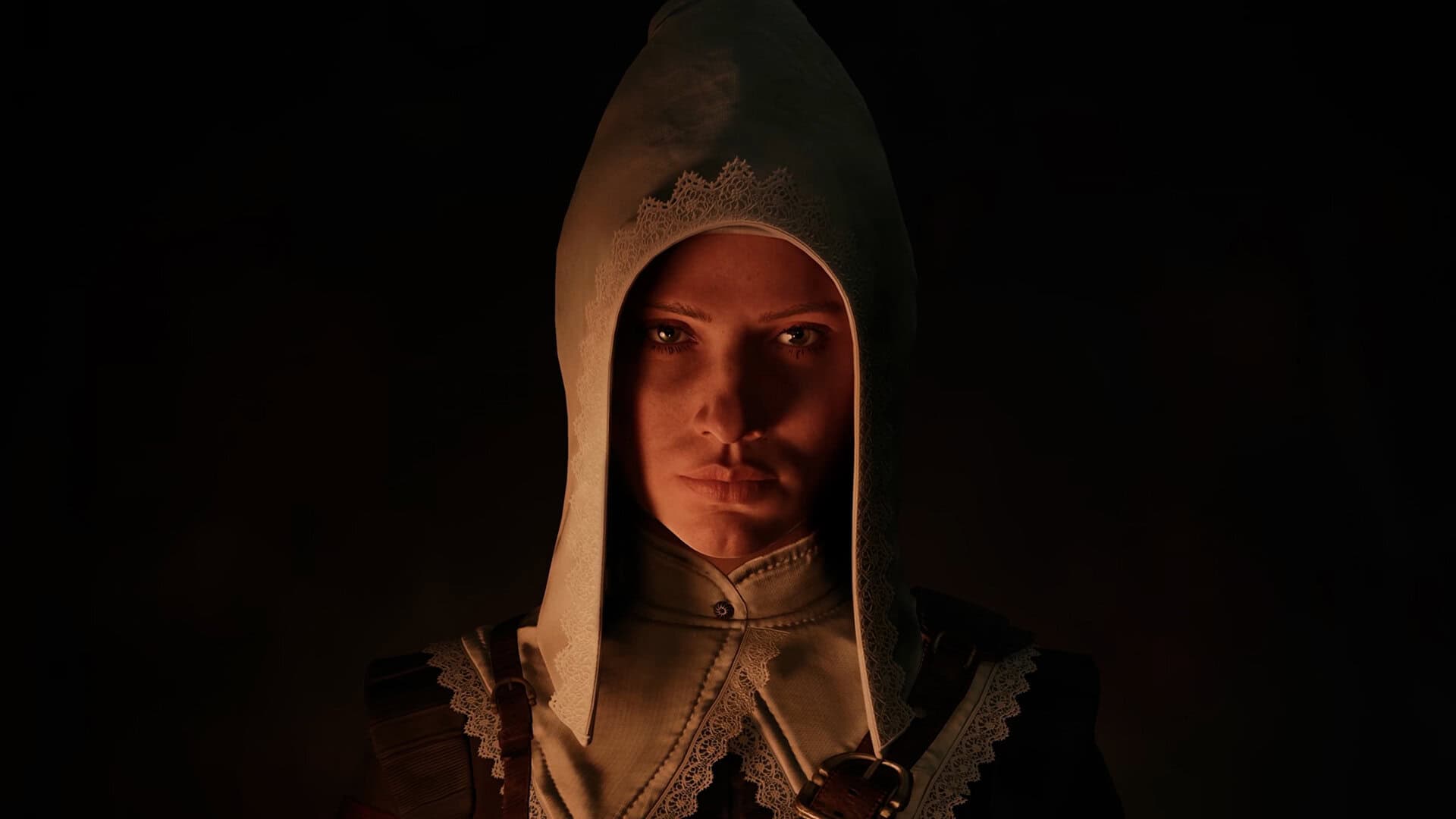
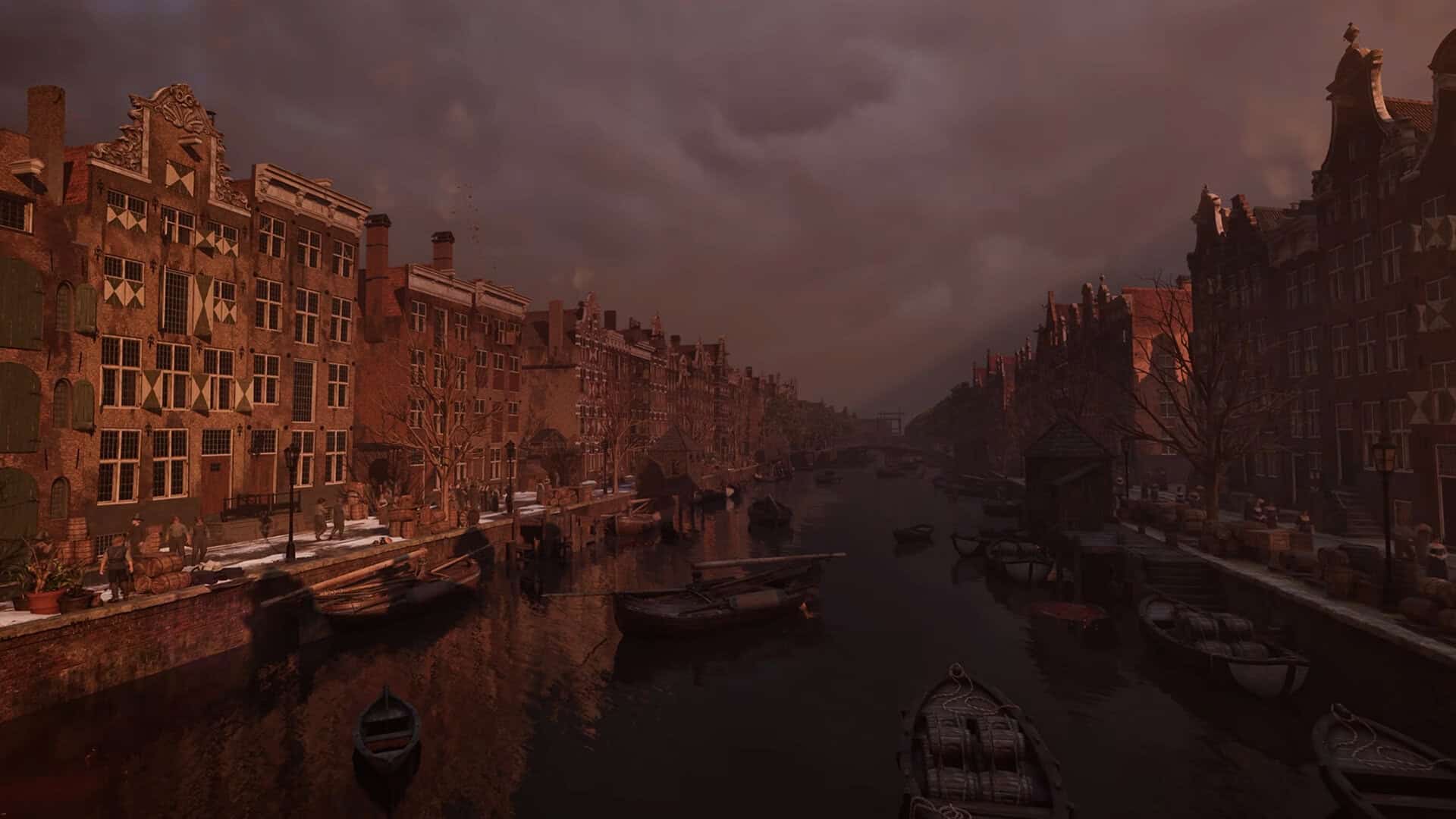
Noa Brooklyn is the protagonist of 1666: Amsterdam, and the prologue makes her role clear within its first few minutes. She was born the Collector, a title she didn’t choose, and raised from childhood by a secretive order called the Zaindaris specifically to fill that role. The Collector’s job is to track down beings known as the Originals, entities that have supposedly lived among ordinary Amsterdam citizens for centuries, hiding behind human faces while quietly draining power from the people around them.
The playable prologue opens at Noa’s own commencement ceremony, the ritual that formally binds her to a familiar and confirms her as the Collector. It’s a slower, more ceremonial opening than most action games go for, closer to the character-first pacing Desilets used when introducing Desmond and Ezio back in the original Assassin’s Creed games than to a typical combat tutorial. Noa wields a form of magic called the Nux, described in-game as a latent power she can channel into the world around her, and in the current prologue build that’s mostly limited to interacting with points of interest, like lighting torches to reveal a path forward. It’s a small taste of a system Panache Digital Games has said will expand significantly once the full Early Access release lands later in 2026.
Amsterdam 1666 Three Timelines Explained: 1666, 1999, and the Present Day
The trailer and the prologue both split the story across three separate eras, and understanding how they connect is the key to following the plot. The 1666 thread follows Noa in Amsterdam at the height of the Dutch Golden Age, a city the trailer describes as built on wealth and power but shaped by forces it didn’t forge. The 1999 thread centers on a man named Aaron, who runs into a witch named Agnes in Amsterdam and is transformed into a cat during the encounter. The present-day thread follows Clio, Aaron’s daughter, who meets a professor named Lucas to help decode a coded manuscript her father left behind, searching through library shelves for clues to unlock it.
Those three threads collide by the end of the prologue: Aaron, still trapped as a cat, is pulled through what the demo calls an otherworldly corridor and lands in 1666, where he reunites with Noa and becomes her familiar. From that point on, players can switch between controlling Noa on foot and controlling Aaron as the cat, who can leap onto rooftops and squeeze through gaps Noa can’t reach. It’s a structure that recalls the Animus jumps from the original Assassin’s Creed Shadows storyline, except here the time travel is baked directly into the characters rather than experienced through a modern-day framing device.
-

- Who Is Noa in Amsterdam 1666
-
- Prologue Amsterdam 1666
Amsterdam 1666 Cat Companion Choice Explained
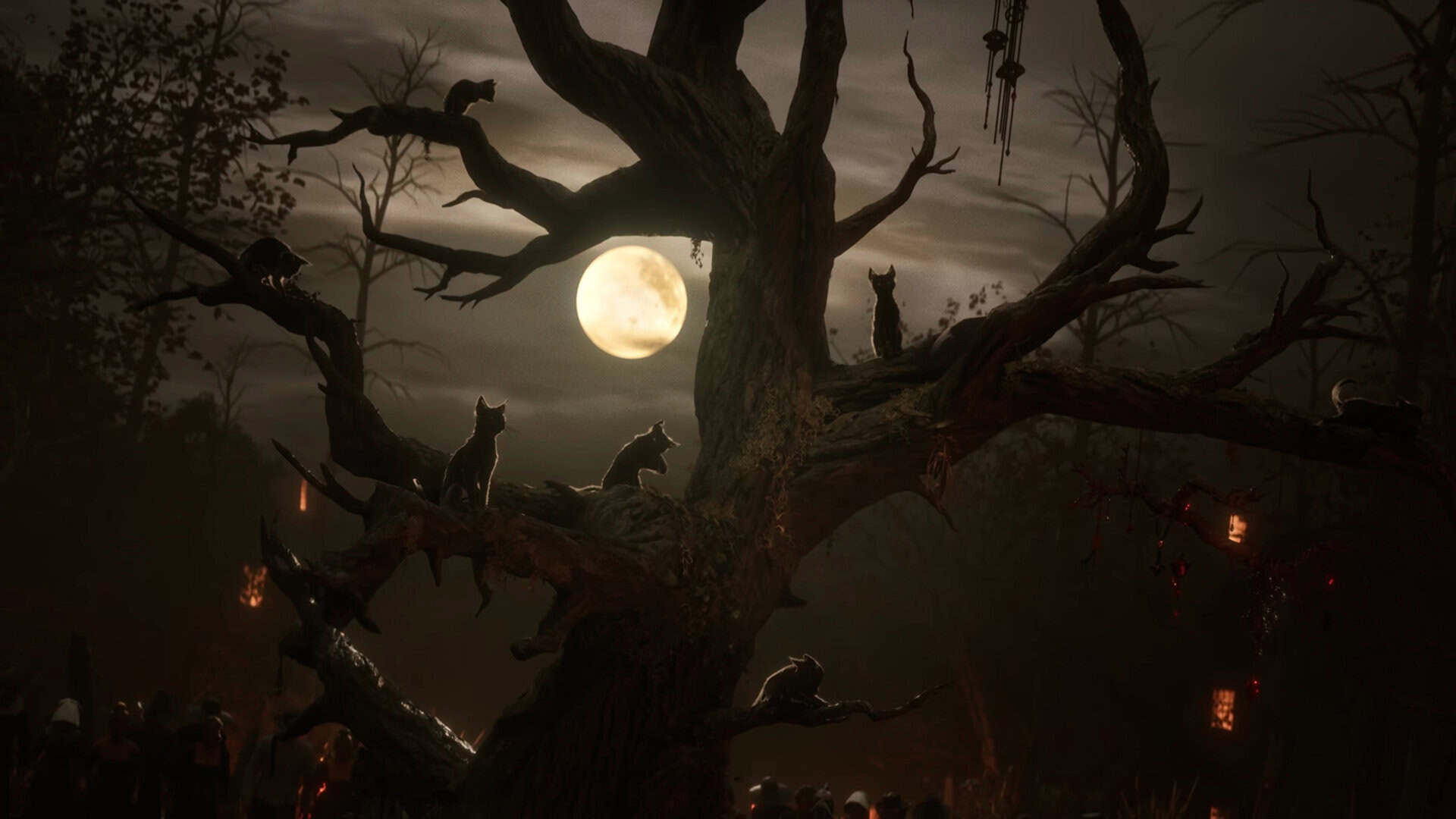
Early in the prologue, before Noa’s ceremony even finishes, players get to pick a familiar from a list of named cats: the Dreamer, the Hermit, the Spirit, the Knight, the Page, the Child, the Alchemist, the Guardian, and the Wildling. Each one comes with its own short flavor description. The Hermit’s entry mentions a gaze that reflects “thoughts roaming the span of the universe,” while the Knight is written as calling to mind “the Kings, the Just, and the Mighty.” It plays almost like picking a class in an RPG, and plenty of players went into the demo assuming the choice would shape combat or magic later on.
Right now it doesn’t. Every option in the current prologue leads to the exact same cat, Aaron, with identical animations and abilities regardless of which name you picked at the start. The only difference is the flavor text you read during selection. That’s worth knowing before you spend ten minutes agonizing over Dreamer versus Wildling, though it’s also the kind of placeholder system that often gets fleshed out between a prologue and a full release, similar to how build variety kept expanding after launch in games like Assassin’s Creed Shadows, where players are still refining the best build for taking on groups of enemies months after release. Panache hasn’t confirmed whether the companion choice will matter in Early Access, so treat it as cosmetic until stated otherwise.
Amsterdam 1666 Prologue Secrets: The Esbat, the Originals, and the Zaindaris
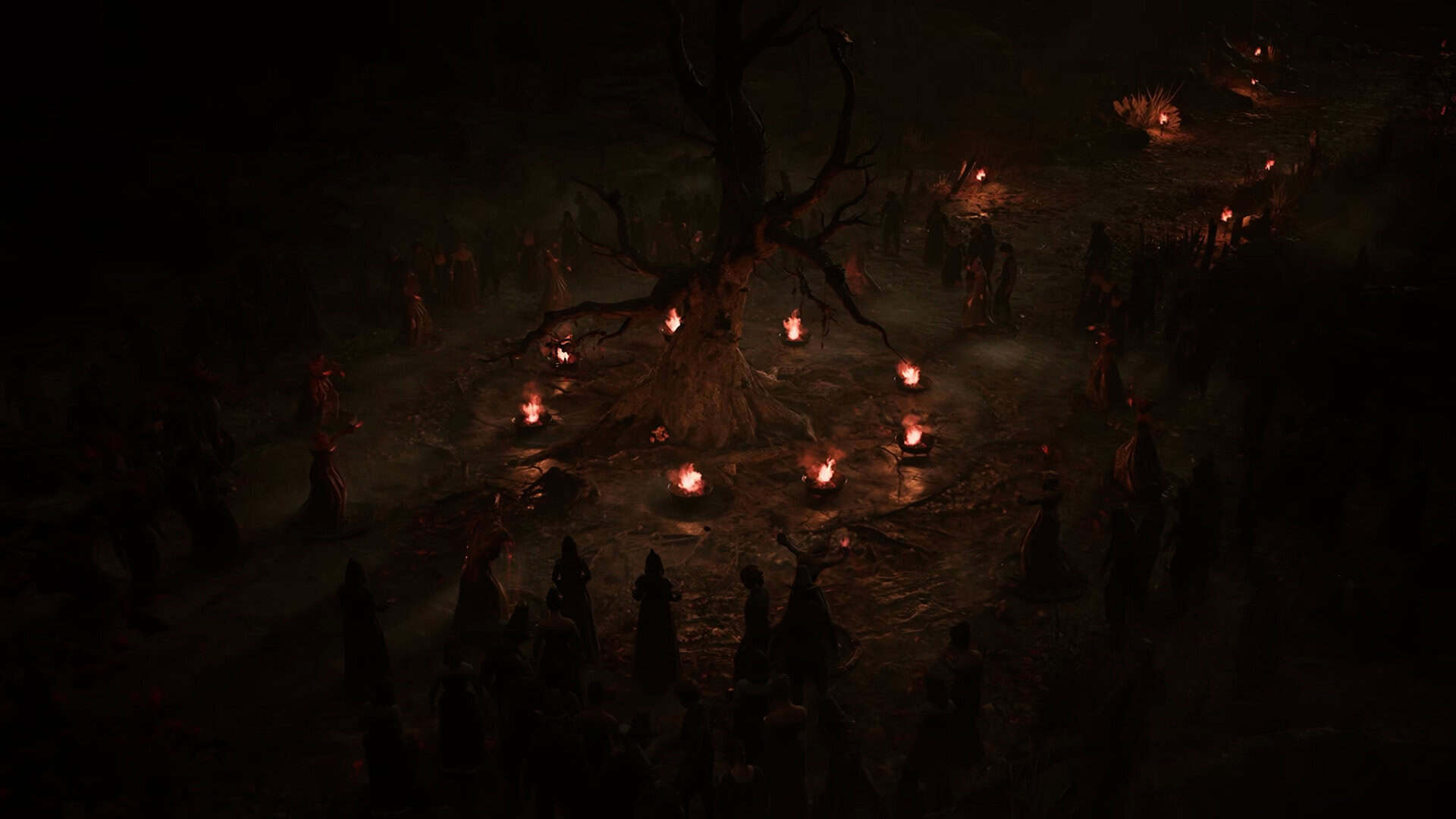
A few terms from the trailer only make sense once you’ve played the demo. The Esbat is described as a cyclical event, something that stirs roughly every 333 years, during which the Originals are forced to reveal their true forms under the moon. In the full game, Panache has said the core loop will involve investigating by day to identify which citizens are secretly Originals, then confronting them once the Esbat arrives, a structure that echoes the investigate-then-strike rhythm Ubisoft built its own franchise around, including the more recent Broken Sky Domain fights in Assassin’s Creed Shadows.
The Zaindaris, the order that raised Noa, are only lightly explained in the prologue, described as an ancient group tasked with preserving balance against the Originals’ influence. Their full history is clearly being saved for the main game. One detail worth catching on a replay: the coded manuscript Clio is deciphering in the present-day segment was written by her own father, meaning the modern-day mystery and the 1666 storyline are being pieced together from the same source material, just centuries apart. It’s a subtle nod to how much of this game’s structure runs on fragments of a bigger truth rather than a single linear reveal.
-
- Amsterdam 1666 Cat Companion
-
- Amsterdam 1666 Prologue Secrets
Is Amsterdam 1666 Like Assassin’s Creed? Comparing It to Assassin’s Creed Hexe
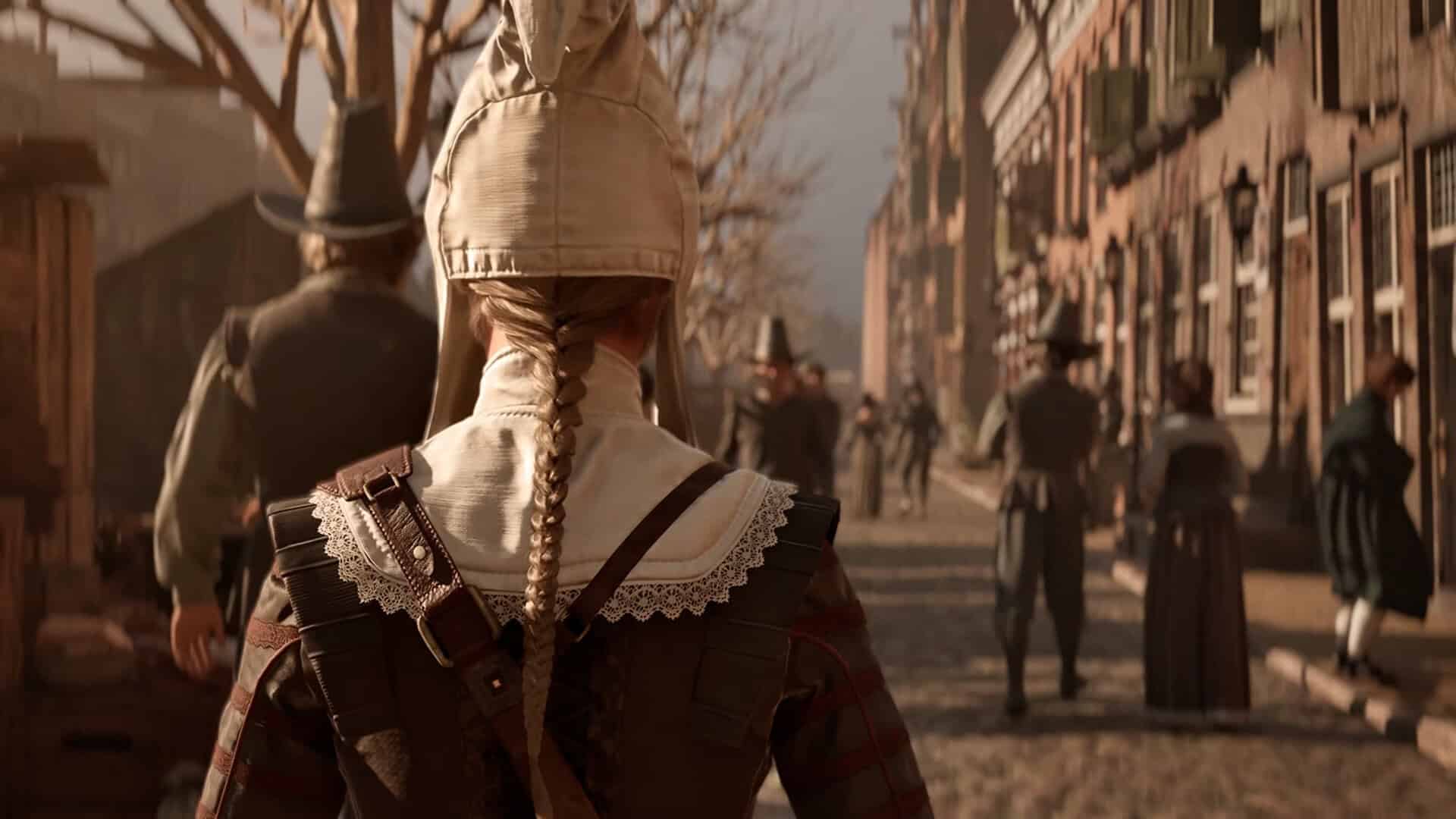
The comparisons write themselves. Both games are set in historical Europe, both center on witch hunts and hidden supernatural forces, both feature a female lead, and both, at various points, have featured a cat companion, though reports suggest Ubisoft has since stripped that feature out of Assassin’s Creed Hexe. The joke going around after the Summer Game Fest reveal, that Desilets delivered Assassin’s Creed Hexe before Ubisoft did, isn’t entirely unfair. Desilets co-created the original Assassin’s Creed and Assassin’s Creed 2 before a legal dispute with Ubisoft over ownership of Panache Digital Games was resolved back in 2016, and he’s spent the years since building Ancestors: The Humankind Odyssey and now this.
The practical difference is momentum. Assassin’s Creed Hexe has been through a famously turbulent development cycle with no confirmed release window, while 1666: Amsterdam already has a free, playable, 30-minute prologue in players’ hands. Desilets himself has leaned into that gap publicly, saying the studio spent six years focused purely on making a playable game rather than producing “fake footage” or vertical slices for marketing. Whether or not the two games end up feeling alike once Hexe eventually surfaces, Ubisoft’s own franchise has shown it isn’t done digging through its history either, with recent projects like the Black Flag Resynced remaster’s hideout upgrades proving there’s still an audience for revisiting the series’ roots.
Amsterdam 1666 Release Date and How to Play the Prologue Now
The 1666: Amsterdam prologue released on June 5, 2026 and is free to download on both Steam and the Epic Games Store, running about 30 minutes from start to finish. The full game is planned to launch in Early Access on PC later in 2026, with console versions confirmed for a later, unannounced date. Panache Digital Games hasn’t locked in a specific Early Access date yet, so the Steam listing currently shows “to be announced,” but the studio has been consistent about targeting a 2026 window for PC.
If you’re deciding whether to try the prologue before the full release, it’s a low-risk way in: it’s short, it’s free, and it gives a genuine sense of the tone and pacing rather than a curated marketing demo. Just don’t expect the companion choice or the Nux magic system to show their full depth yet, since both are clearly early-access placeholders for systems Panache is still building out.
-
- Is Amsterdam 1666 Like Assassin’s Creed?
-
- Amsterdam 1666 Play the Prologue Now
Amsterdam 1666 FAQ
What is Amsterdam 1666 and who is making it?
1666: Amsterdam is a dark, story-led action-adventure game from Panache Digital Games, the studio founded by Assassin’s Creed co-creator Patrice Desilets. It was revealed at Summer Game Fest 2026 alongside a free playable prologue.
Who is Noa in Amsterdam 1666?
Noa Brooklyn is the game’s protagonist, known as the Collector, raised by the Zaindaris to hunt down centuries-old entities called the Originals hiding among Amsterdam’s citizens.
Does the cat companion choice affect gameplay in Amsterdam 1666?
Not currently. In the prologue, every companion option leads to the same cat, Aaron, with identical abilities. The choice only changes the flavor text shown during selection.
Is Amsterdam 1666 related to Assassin’s Creed Hexe?
Not officially, but the two games share a lot of DNA: historical witch hunts, a female lead, and supernatural forces hiding in plain sight. 1666: Amsterdam simply has a playable build already out, while Assassin’s Creed Hexe remains unreleased.
When does Amsterdam 1666 release, and can I play it now?
The free prologue is available now on Steam and Epic Games Store. The full game is planned for PC Early Access later in 2026, with consoles to follow at a later date.
That covers the Amsterdam 1666 cat companion choice and everything else worth knowing from the prologue for now, though Panache is likely to reveal more about the Nux, the Zaindaris, and the Originals as Early Access gets closer. Check out our other guides on ingametor.com for more breakdowns of upcoming games and Assassin’s Creed content as new details on 1666: Amsterdam continue to roll in.