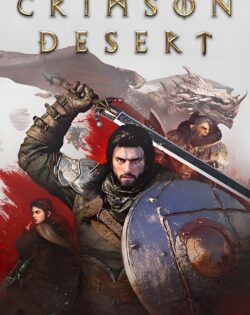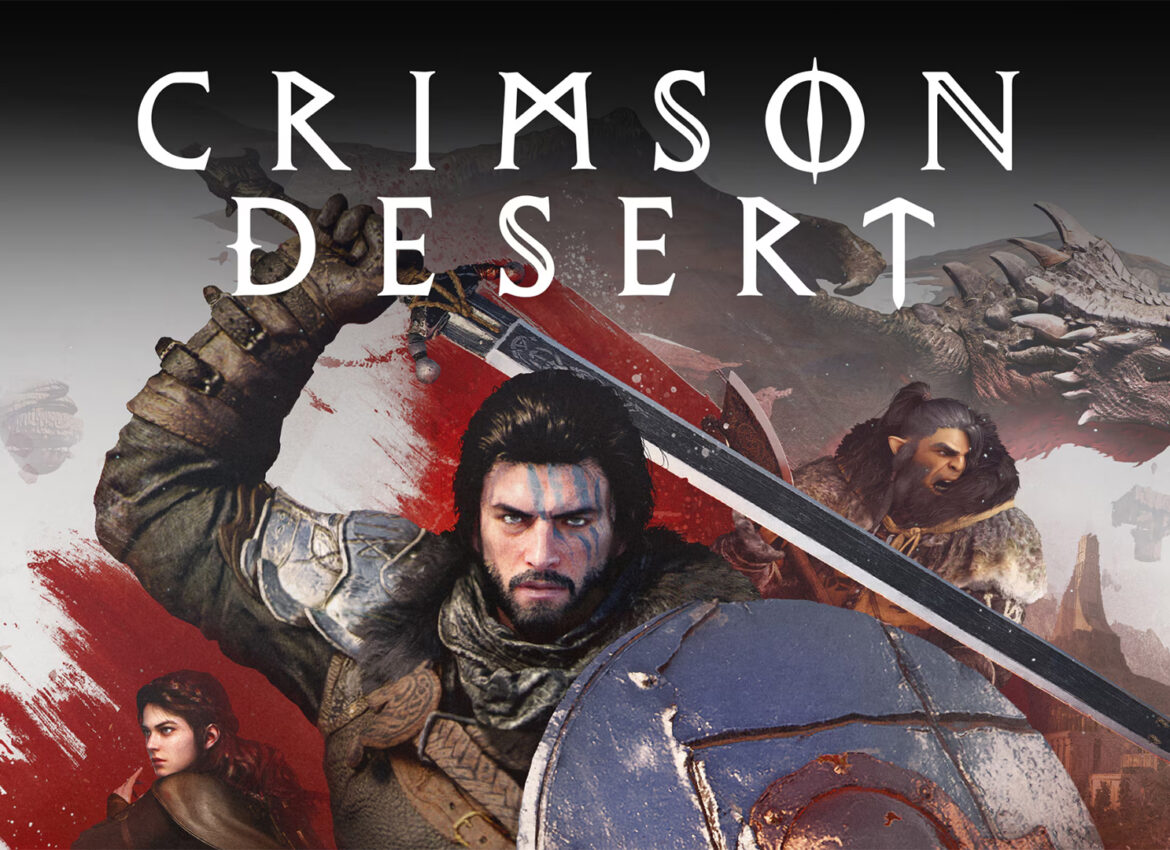
Crimson Desert is one of the most ambitious open world games released in years, and also one of the most uneven. Pearl Abyss launched their long-awaited action RPG on March 19, 2026, and after 130 hours wandering its massive world, finishing the main story, and completing a serious chunk of side content, my honest verdict is complicated. The short version: Crimson Desert is worth playing if you can tolerate a game that reaches for greatness in every direction and often falls short. The exploration is genuinely impressive, the world feels alive in ways few games manage to pull off, but the combat drags on too long, the story disappoints, and technical issues have a talent for appearing at the worst possible moments.
Pearl Abyss clearly set out to build the ultimate open world RPG. You can see The Witcher 3’s spirit in how the world is structured around exploration and side quests. You can feel Red Dead Redemption 2’s DNA in the slow horseback conversations. There are puzzle mechanics borrowed from Tears of the Kingdom, and a free-roaming sandbox energy that calls back to Skyrim or GTA 5. The result is a game that does all of those things but does none of them quite as well as the games that inspired it. With a Metacritic critic score of 78 based on 93 reviews and a user score of 8.8 from over 10,000 ratings, critics and players seem to agree for once: there is a lot to admire here, even if the execution is frustratingly uneven.
What Makes Crimson Desert’s Open World Worth Exploring
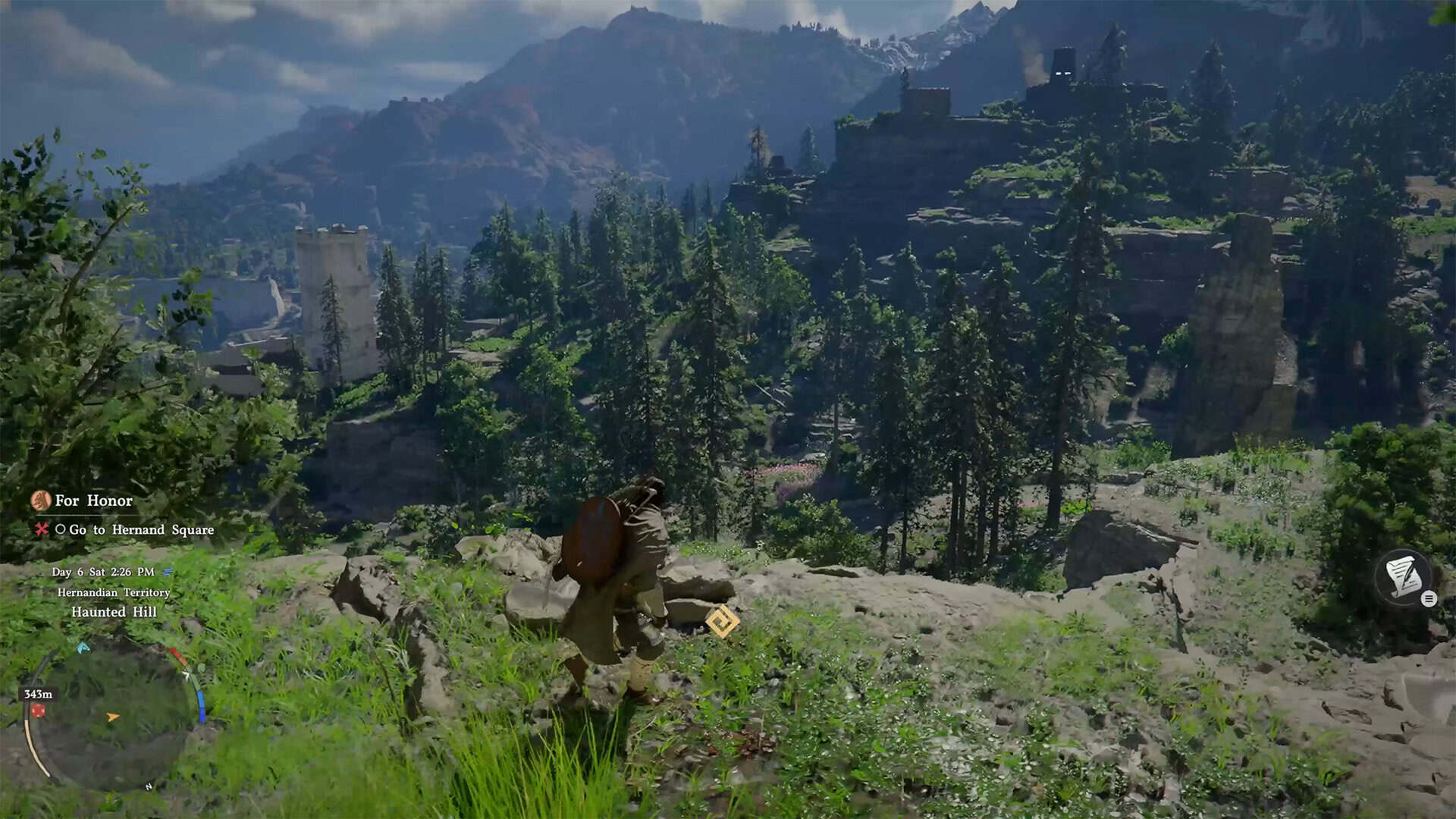
The world is the strongest argument for playing Crimson Desert. And I mean that genuinely, not as a backhanded compliment. Walking around its regions feels like stepping into a place that exists without you. People move through towns on real schedules. If you send a caravan of followers to build something, you can drop by during work hours and see them actually toiling away before they head back to bunk for the night. I once tracked down a pickpocket from a wanted poster and found them practicing their trade in a completely different town, days later in real time. That kind of reactivity is rare and it makes the world feel genuinely alive.
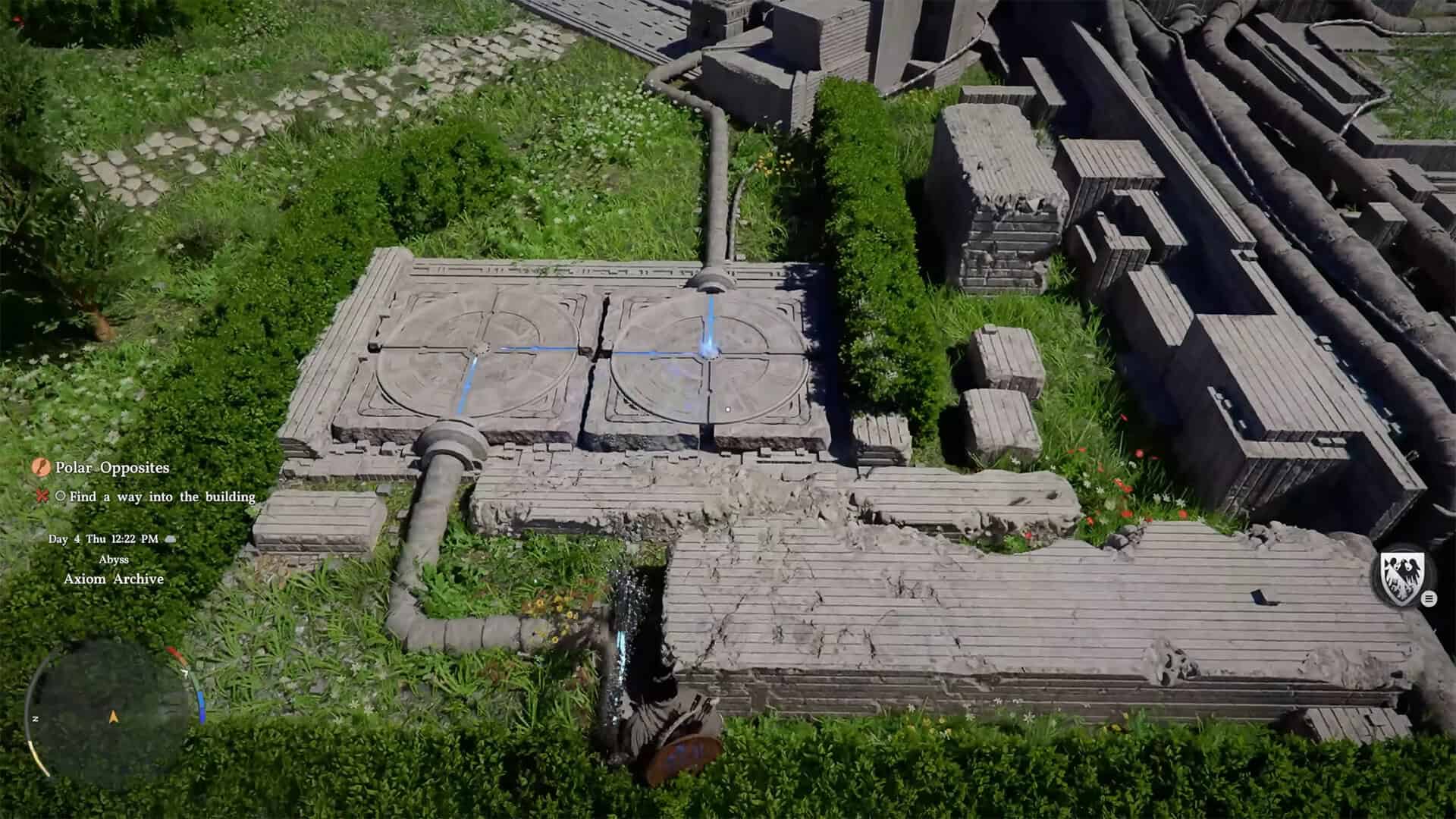
The side activities are also fun in a way that does not feel like content padding. You can arm wrestle strangers, fish at dawn, gamble in taverns, manage a small settlement, hunt wild animals and grill them before a big battle. One moment I was sending allies out to gather resources on my behalf. The next I was cooking a pile of meat to prepare for a siege. These feel like things the world naturally contains, not checkboxes. Traveling across the massive regions, hunting for loot, solving puzzles, and liberating areas makes for genuinely good times, especially if you are the type to try things you probably are not supposed to do. That sense of possibility is what Crimson Desert does better than almost any open world game I played in 2026.
Crimson Desert Combat Review: High Highs, Exhausting Lows
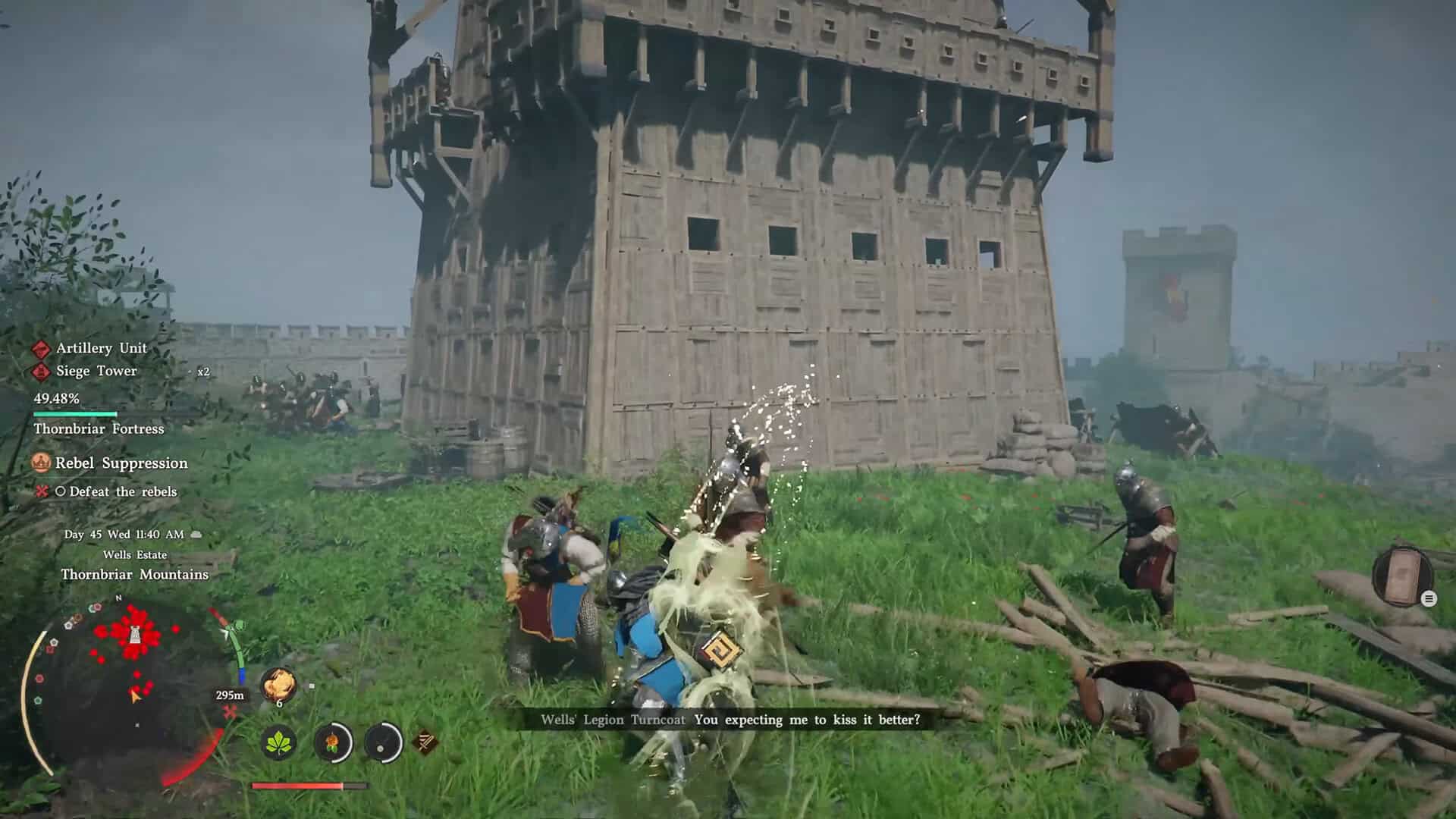
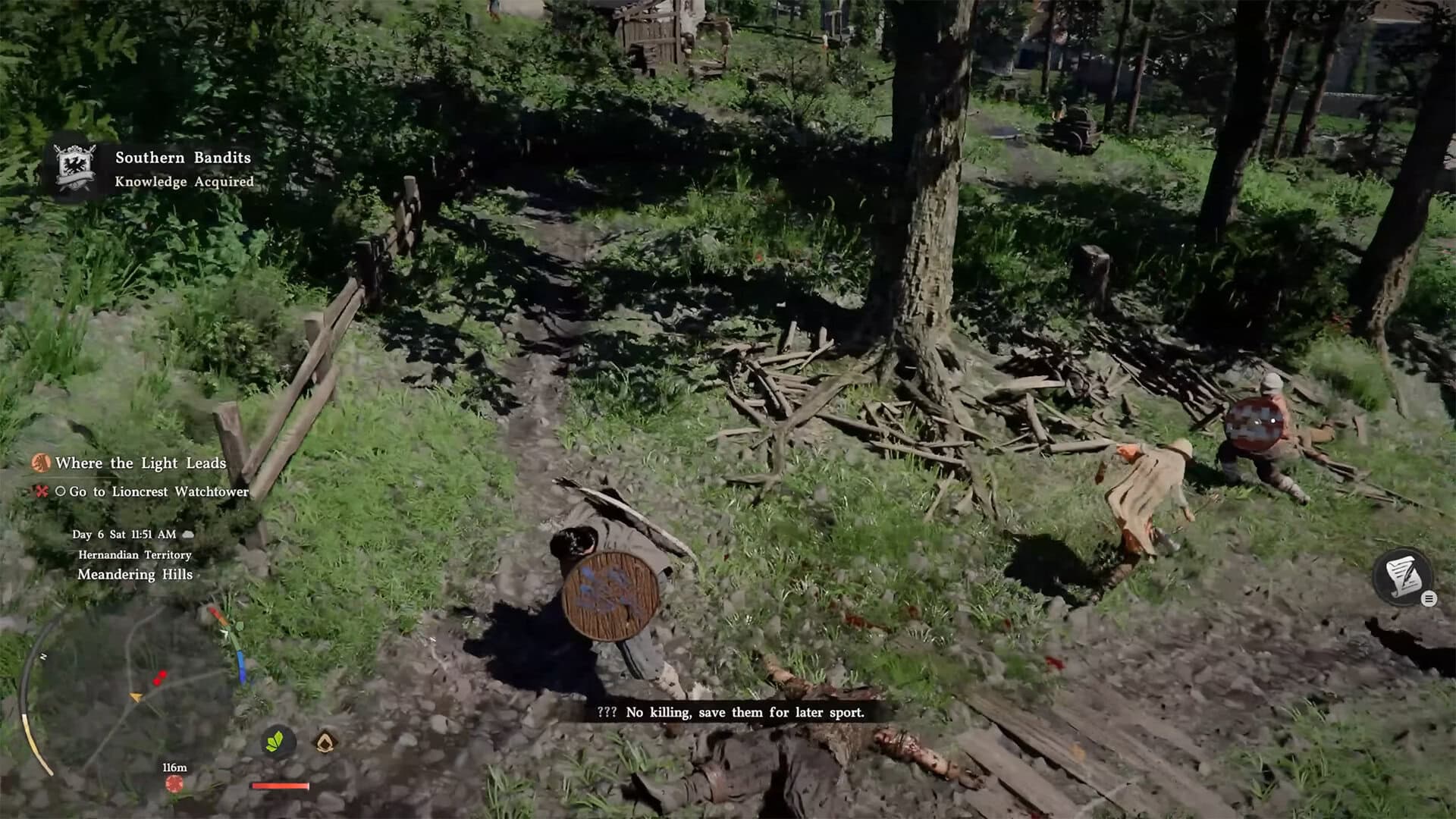
Combat in Crimson Desert has real personality when it works. The abilities are visually spectacular, individual encounters can feel exciting, and the moment-to-moment flow in early areas is satisfying enough that you will want to keep pushing forward. So it is a genuine shame that the combat never knows when to stop. Almost every fight runs longer than it should, with wave after wave of enemies appearing after you think you have cleared a group, turning what could be a quick skirmish into a five-minute grind.
Later sections escalate this to Dynasty Warriors levels of enemy density, which sounds exciting in theory and becomes exhausting in practice. The controls add friction on top of that. You will never be completely sure whether tapping the same button while airborne gives you a double jump or glides you to the ground, missing the platform you were aiming for. Mounting flying beasts, which sounds incredible, works maybe half the time. When it does not, you tumble off the side helplessly in a way that made me laugh the first time and frustrated me deeply by the third. Combat abilities also overlap in confusing ways, and control mapping adds complexity that rarely feels intentional. The system is built for spectacle, and spectacle it delivers. Consistency and pacing are not its strengths.
-

- Crimson Desert’s Open World Worth Exploring
-
- Crimson Desert Combat Review
Crimson Desert Boss Fights: Impressive Scale, Questionable Design
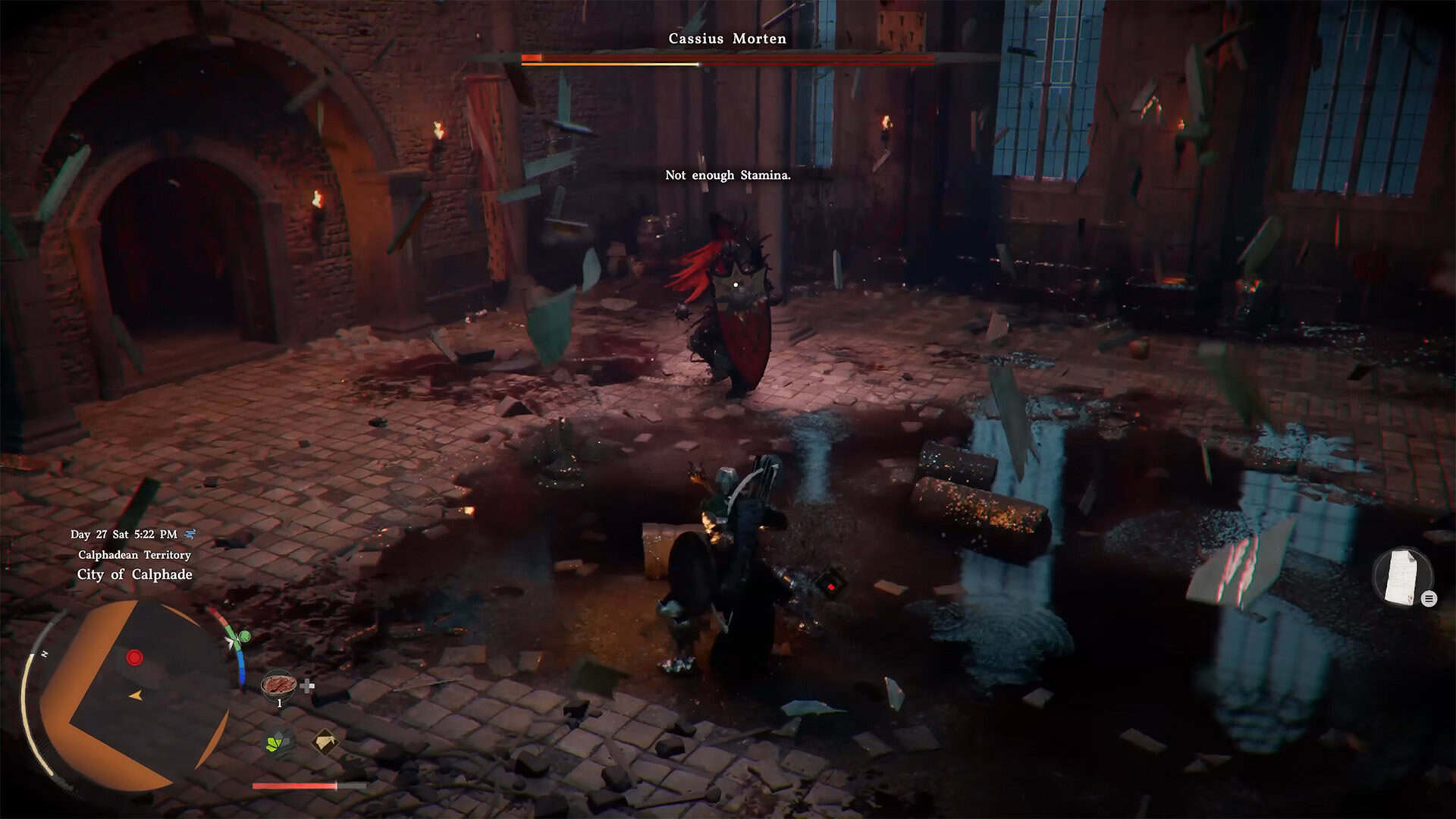
There are 76 bosses in Crimson Desert, with 28 tied to the main campaign and the rest scattered across the open world as optional encounters. That number alone tells you something about Pearl Abyss’s ambition. And some of these fights are genuinely memorable. The scale and visual design of many encounters are consistently impressive, and several of the early boss fights feel exactly as epic as they look.
The problem is that boss fights frequently feel disconnected from how the rest of the game plays. They shift suddenly into long, punishing multi-phase encounters that rely more on stamina and healing spam than on actually reading the fight and responding to it. A boss that took me several attempts was not necessarily teaching me anything new with each run. Sometimes it just felt like outlasting a very flashy damage sponge.
Difficulty spikes are also inconsistent enough that you can roll through three bosses and then hit a wall that seems designed for a character twice your current level. If you want to understand how demanding these encounters actually get, our Fortain the Cursed Knight boss fight walkthrough shows exactly the kind of challenge you will face in the mid-to-late game. For players who enjoy soulslike difficulty curves, some of this will feel rewarding. For everyone else, certain fights will feel like the game forgot what kind of experience it was building.
Crimson Desert Story Review: Forgettable Characters in a Stunning World
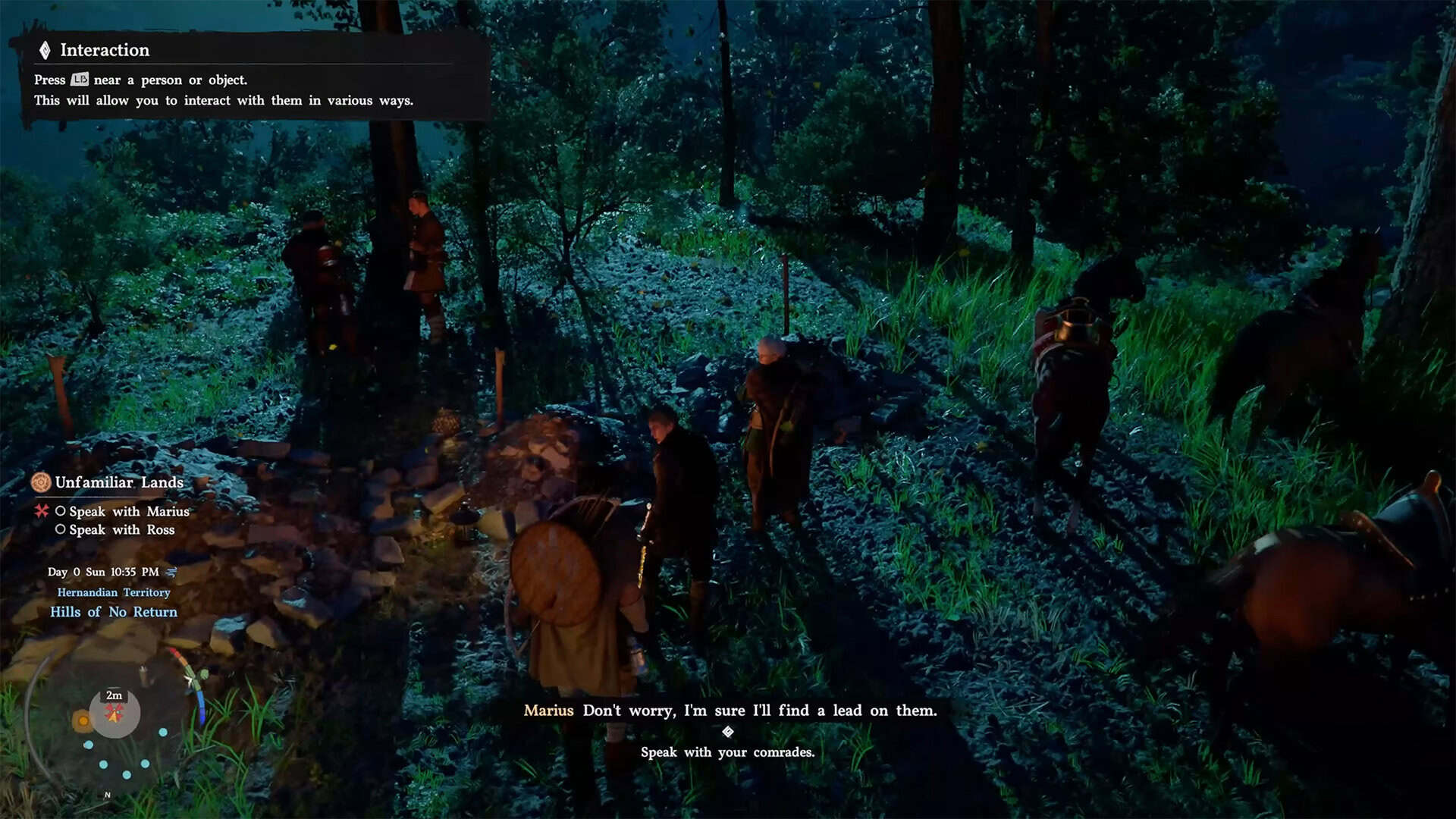
The weakest part of Crimson Desert, by a significant margin, is its story. You play as Cliff, a Viking-coded warrior on a low-stakes revenge quest, and from the first cutscene there is very little to invest in. The dialogue is flat, the characters are forgettable, and the narrative loses its thread regularly across 60 or more hours of campaign. There is even a multi-chapter arc built around a character who dies offscreen before the story begins, which tells you everything about how disconnected the writing feels from the experience of playing the game.
This is a real shame because the world tells better stories through its living systems than any of the scripted narrative does. The pickpocket bounty, the caravan you check in on, the animals you track across regions: those moments feel alive and personal in ways the main plot never achieves. If you are coming to Crimson Desert for a gripping narrative, lower your expectations significantly. If you are coming to explore and get lost in a beautiful, reactive world, the story becomes something you endure between the genuinely good parts.
-
- Crimson Desert Boss Fights
-
- Crimson Desert Story Review
Crimson Desert Graphics and PC Performance Review
Visually, Crimson Desert is consistently impressive. The environments are enormous and detailed, large battles fill the screen with effects and character, and overall fidelity holds up even on high-end hardware running demanding settings. Performance on a well-specced PC is genuinely solid for a game of this scale, and even during large-scale war scenarios the frame rate stays mostly stable.
The weak spots appear up close. Character models in cutscenes can look inconsistent compared to the environment work, lip-sync issues pull you out of story moments that are already fighting for your attention, and occasional visual glitches or NPC pop-in break immersion at inconvenient times. Technical issues beyond visuals also surfaced during my playthrough. Crashes happened more than once. A quest progression block cost me significant time before a patch addressed it.
Missing NPCs during key story moments are a known issue Pearl Abyss have been fixing steadily since launch. Two months after release, Steam reviews climbed from Mixed to Very Positive at 86% positive across more than 56,000 user ratings, which suggests the patches are making a real difference. But if you play near launch, budget some patience for a game that is still being finished around you.
Crimson Desert Pros and Cons: Is It Worth Playing in 2026?
Crimson Desert is a genuinely impressive accomplishment buried under a pile of frustrating problems. Pearl Abyss built a world that feels alive, reactive, and full of real discovery. They packed it with systems that interact in interesting ways, and at its best the game creates moments of freedom and possibility that few open world games ever achieve. That ambition deserves genuine credit.
But the combat is too long, too inconsistent, and too unreliable to carry the weight the game asks of it. The story is a clear weak point that undermines the hours you spend in the campaign. Technical issues, while improving through consistent patches, still complicate the experience. And the game is genuinely massive: the main story runs roughly 60 to 100 hours depending on your pace and difficulty, with serious side content pushing that past 130 hours, and full completion sitting somewhere between 300 and 400 hours. That is a significant commitment for a game that is uneven throughout.
If you have patience for ambitious, imperfect games and love getting lost in large reactive worlds, Crimson Desert will give you many genuinely great hours. If you need tight, consistent combat or a story worth following, this is harder to recommend at full price. Either way, it is one of the most interesting and debated open world games of 2026, and understanding what you are getting into is worth the time before you commit.
-
- Crimson Desert Graphics
-
- Crimson Desert Pros and Cons
Crimson Desert Review: Frequently Asked Questions
Is Crimson Desert worth playing in 2026?
Yes, with conditions. If you enjoy exploration-heavy open world games with deep systems and can tolerate inconsistent combat and a weak story, Crimson Desert offers dozens of genuinely memorable hours. If polished, tight gameplay is a priority, it is harder to recommend at full price until more patches land.
What is Crimson Desert’s Metacritic score?
Crimson Desert holds a Metacritic critic score of 78 out of 100, based on 93 reviews. The user score is significantly higher at 8.8, suggesting players have responded more warmly than critics overall. Individual scores ranged widely, from 6 out of 10 (IGN) to 9.5 out of 10 (DualShockers), making it one of the more polarizing critical receptions of the year.
How long does it take to beat Crimson Desert?
The main story runs roughly 60 to 100 hours depending on your pace and difficulty. A playthrough that includes a significant amount of side content pushes closer to 130 hours. Full completion across all content runs somewhere between 300 and 400 hours.
How does Crimson Desert compare to The Witcher 3?
Crimson Desert draws clear inspiration from The Witcher 3’s approach to world-building and side quests, but does not match it in story quality, character writing, or emotional weight. Where Crimson Desert goes further is in sheer world scale, system interactivity, and the number of activities available at any given moment.
What are Crimson Desert’s Steam reviews like?
As of two months after launch, Crimson Desert holds a Very Positive rating on Steam with 86% positive reviews across more than 56,000 user ratings. Early reviews were more mixed, but consistent patching from Pearl Abyss has pushed sentiment steadily upward since the March 19, 2026 release date.
For more guides and coverage on Crimson Desert and the biggest open world games of 2026, check out our other articles on ingametor.com.