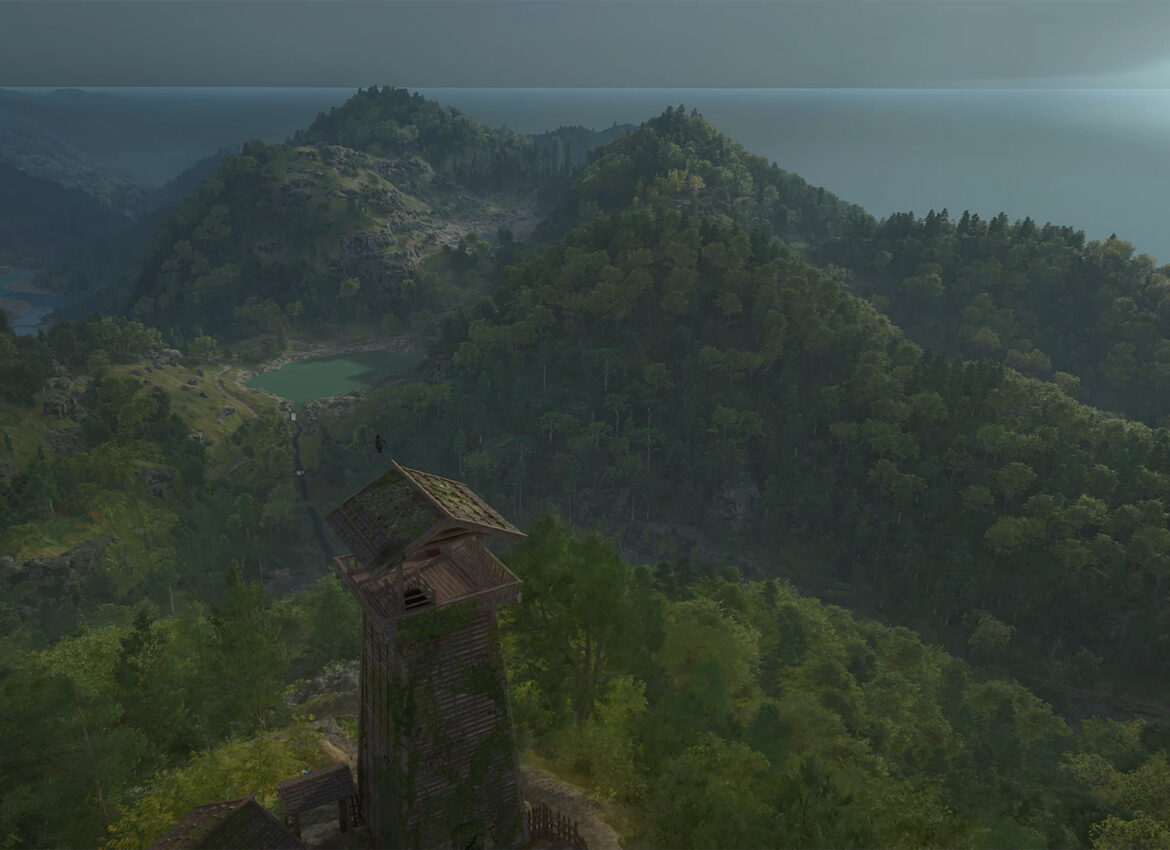
15 viewpoints in the Kii region in Assassin’s Creed Shadows. I’ll show you where they are and tell you interesting facts about each point. It will be interesting, so like this post and let’s go on this exciting and eventful journey.
Viewpoint #1 Kimiidera Pagoda
The first viewpoint, Kimiidera Pagoda, in Assassin’s Creed Shadows has a real historical prototype. In Japan, there is indeed a temple called Kimiidera, founded in the 8th century on a mountainside overlooking the sea in Wakayama Prefecture. Its complex includes a traditional Buddhist pagoda, and the path to it passes through more than two hundred stone steps.
Interestingly, Kimiidera is considered one of the first places in Japan where cherry blossoms bloom every year. The combination of height, panorama, and sacred atmosphere perfectly explains why Ubisoft chose this place as a viewpoint in the game.
-

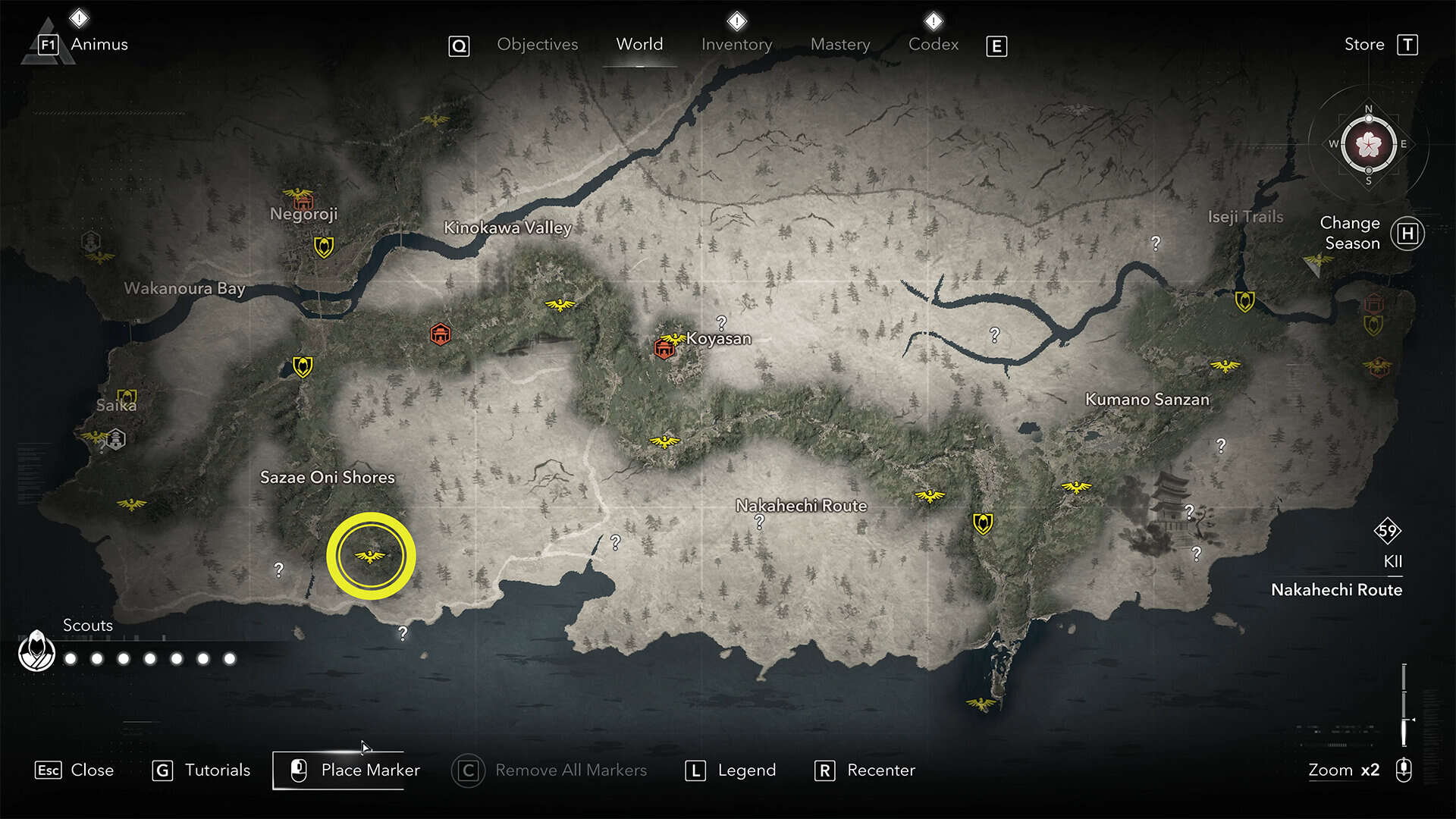
- Kimiidera Pagoda location
-
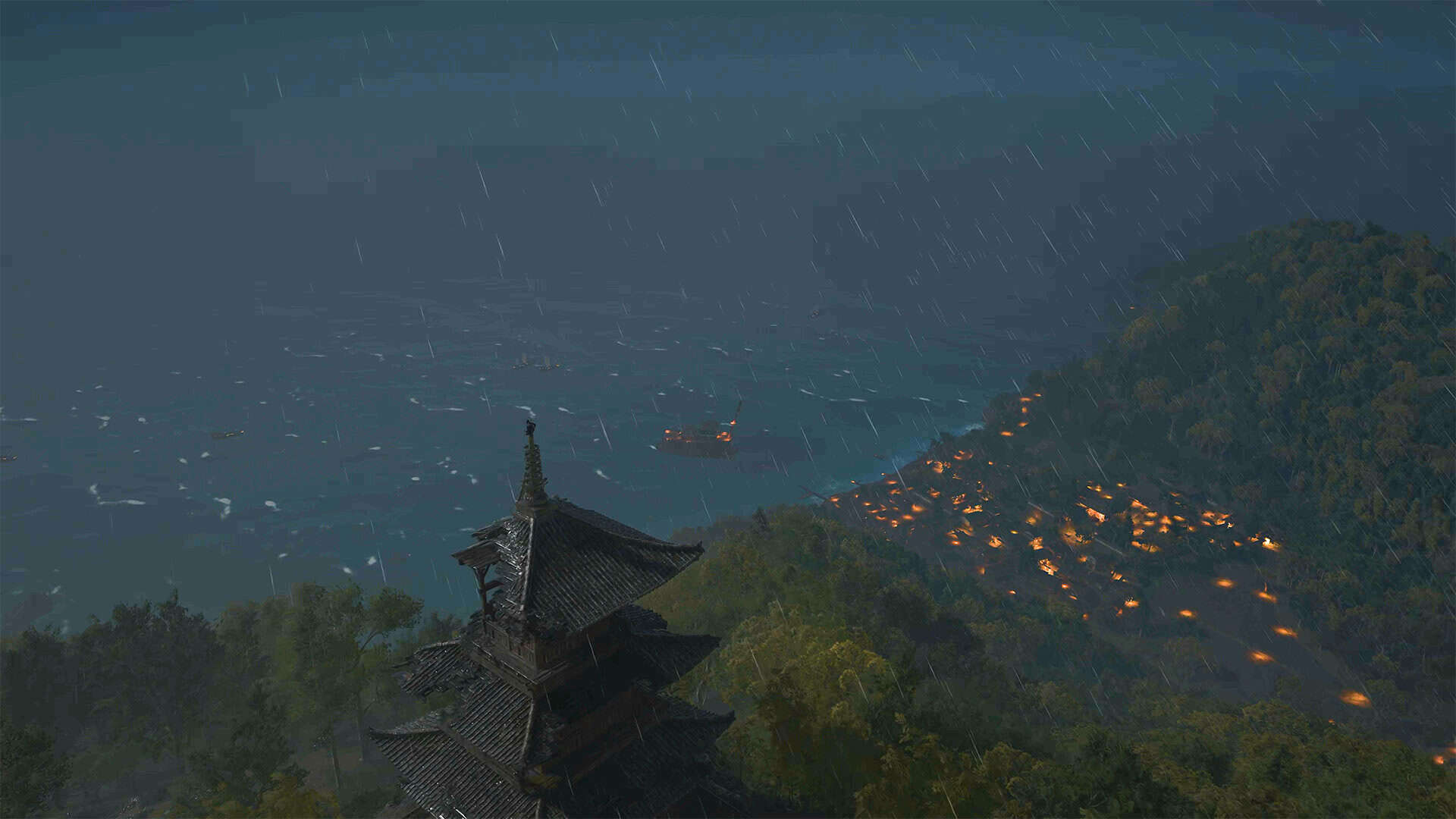
- View from Kimiidera Pagoda
Viewpoint #2 Myoken Shrine
The second viewpoint, Myoken Shrine, in Assassin’s Creed Shadows has a real historical basis. In Japan, there are indeed shrines with this name dedicated to the deity Myōken, the personification of the North Star and the constellation Ursa Major.
During the feudal era, Myōken was especially revered by samurai clans, who believed that this star showed the right path and protected warriors in battle. That is why such a shrine fits perfectly into the world of Assassin’s Creed, where path, destiny, and choice are of key importance.
-
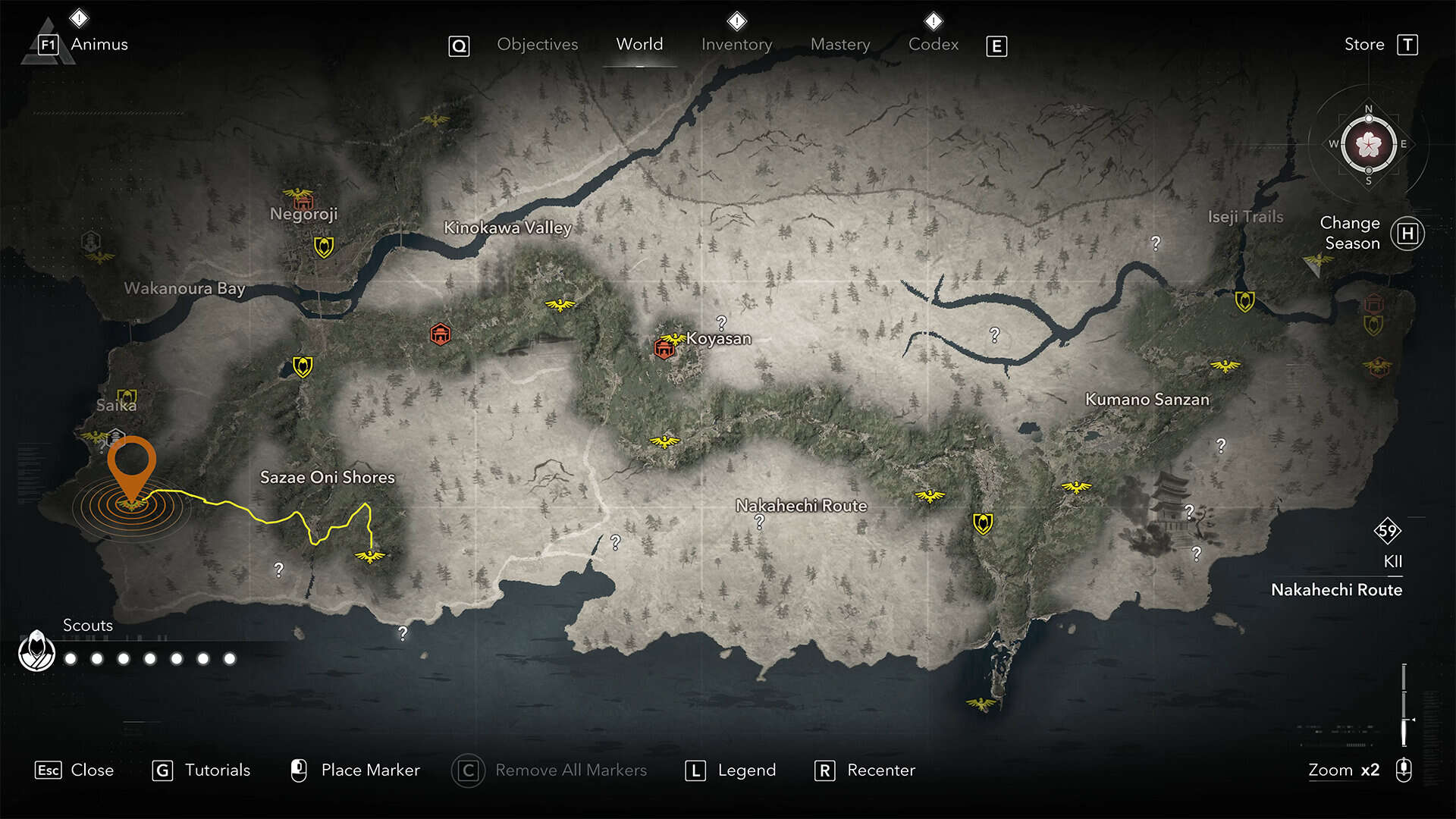
- Myoken Shrine location
-
- View from Myoken Shrine
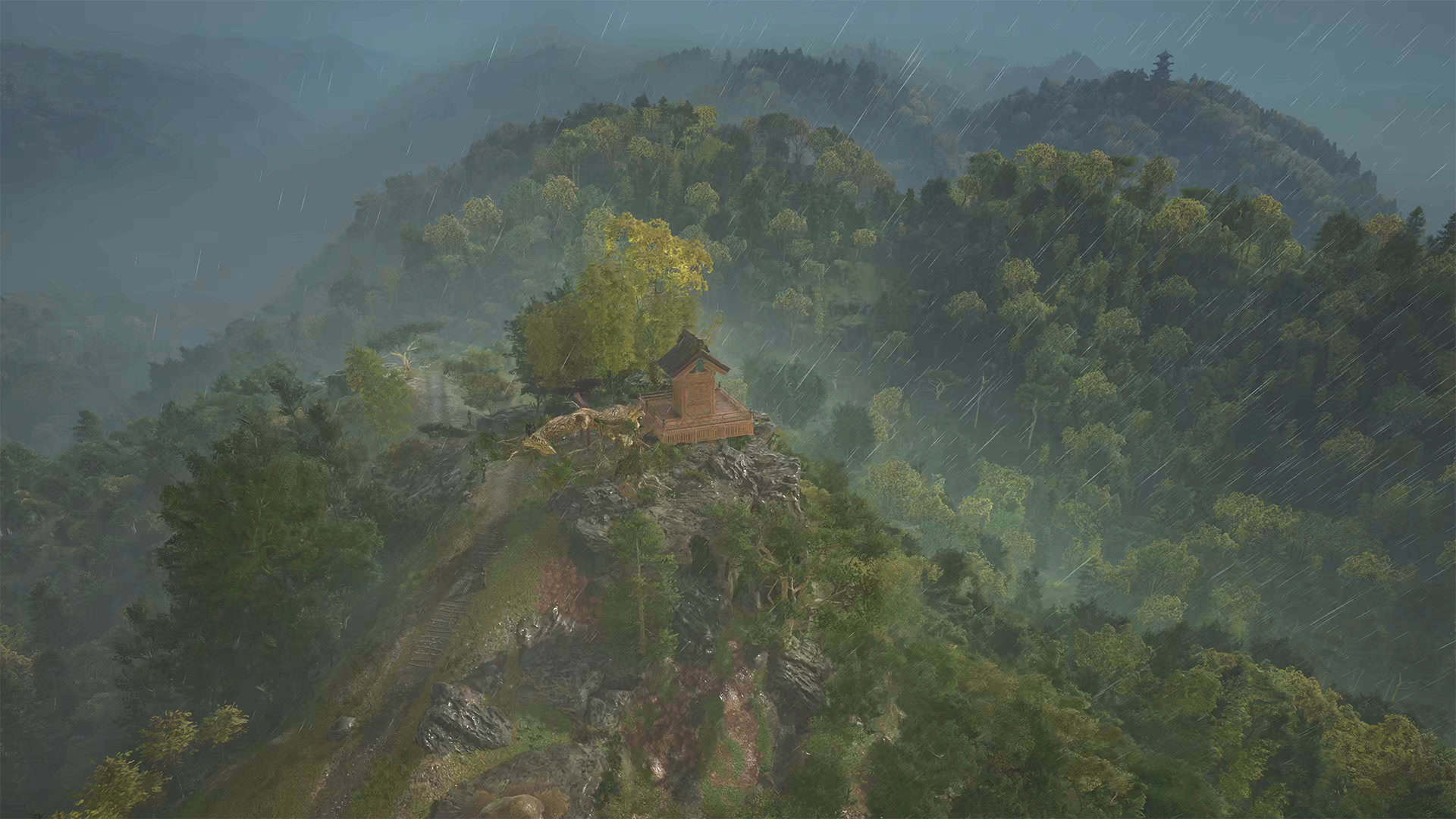
Viewpoint #3 Saika Tenshu
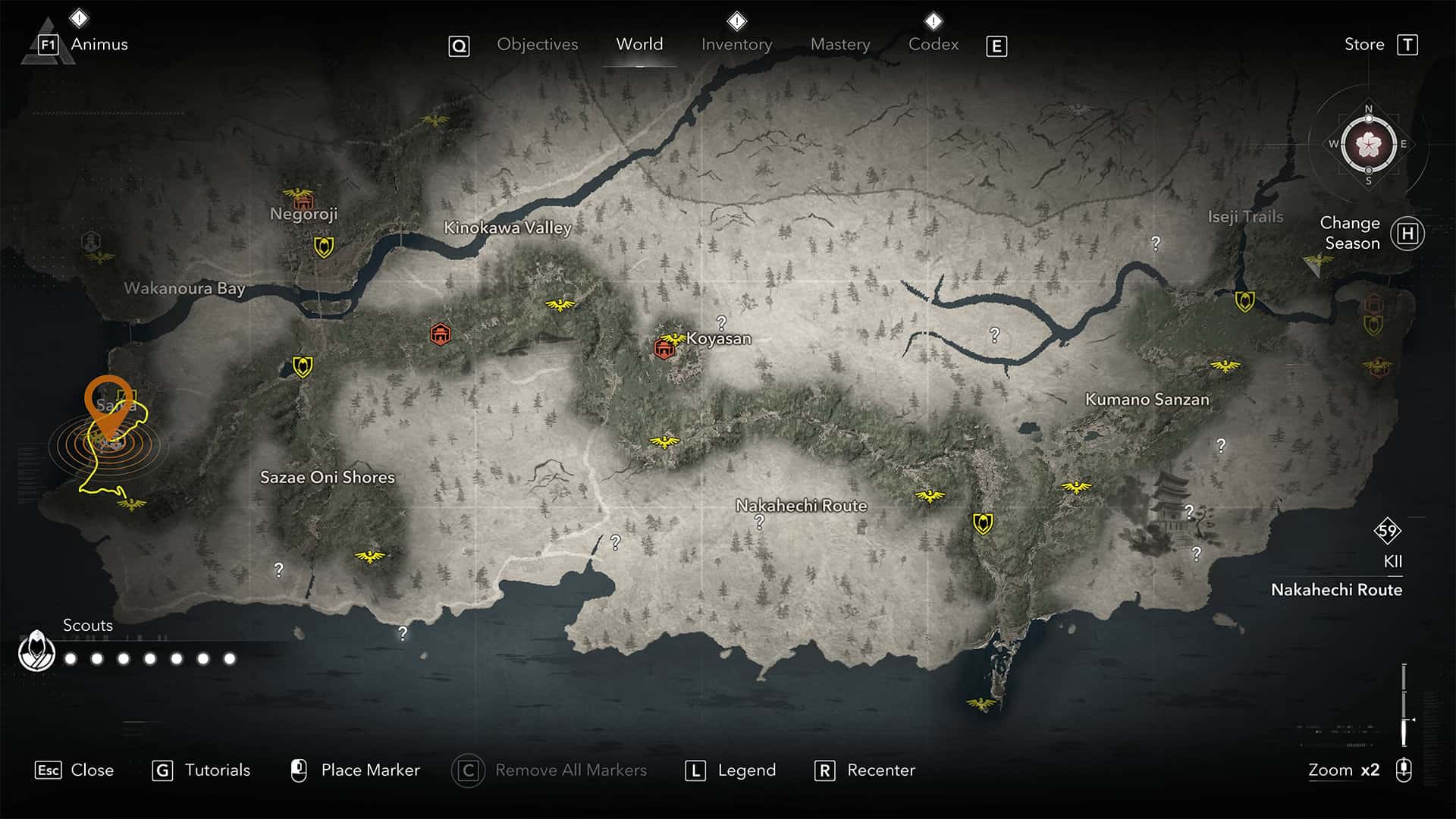
The third viewpoint, Saika Tenshu, in Assassin’s Creed Shadows is not an exact replica of a real tower, but it has a strong historical foundation. It is inspired by the Saika region in the province of Kii and the legendary Saika Ikki community—militia warriors who did not obey the daimyo. In the 16th century, the Saika Ikki were among the best archers in Japan and were able to defeat Oda Nobunaga’s troops using firearms and cannons, even in naval battles. The image of Tenshu in the game emphasizes their independence, military strength, and the atmosphere of feudal Japan.
-
- Saika Tenshu location
-
- View from Saika Tenshu
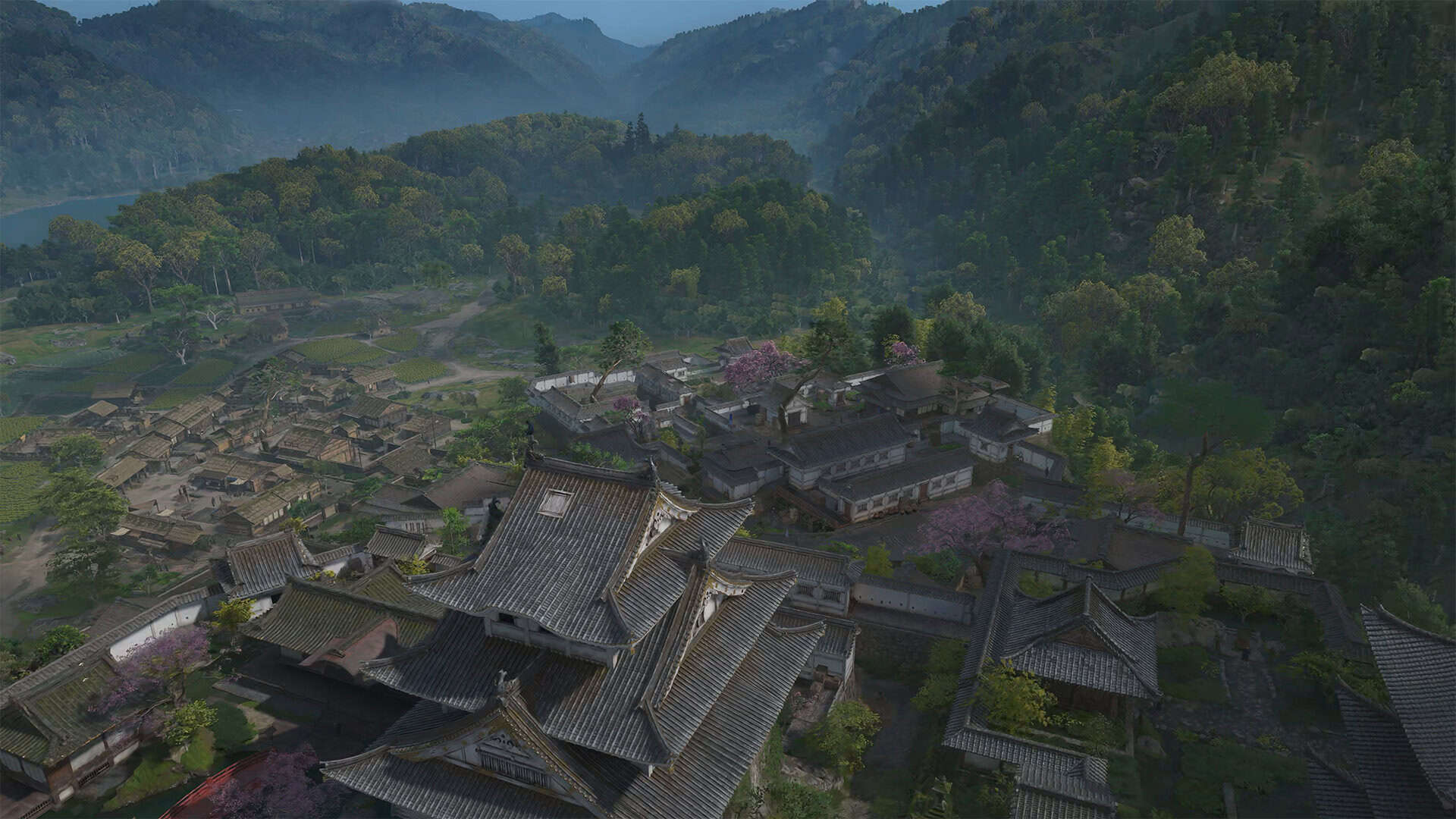
Viewpoint #4 Tsuchibashi Fort Watchtower
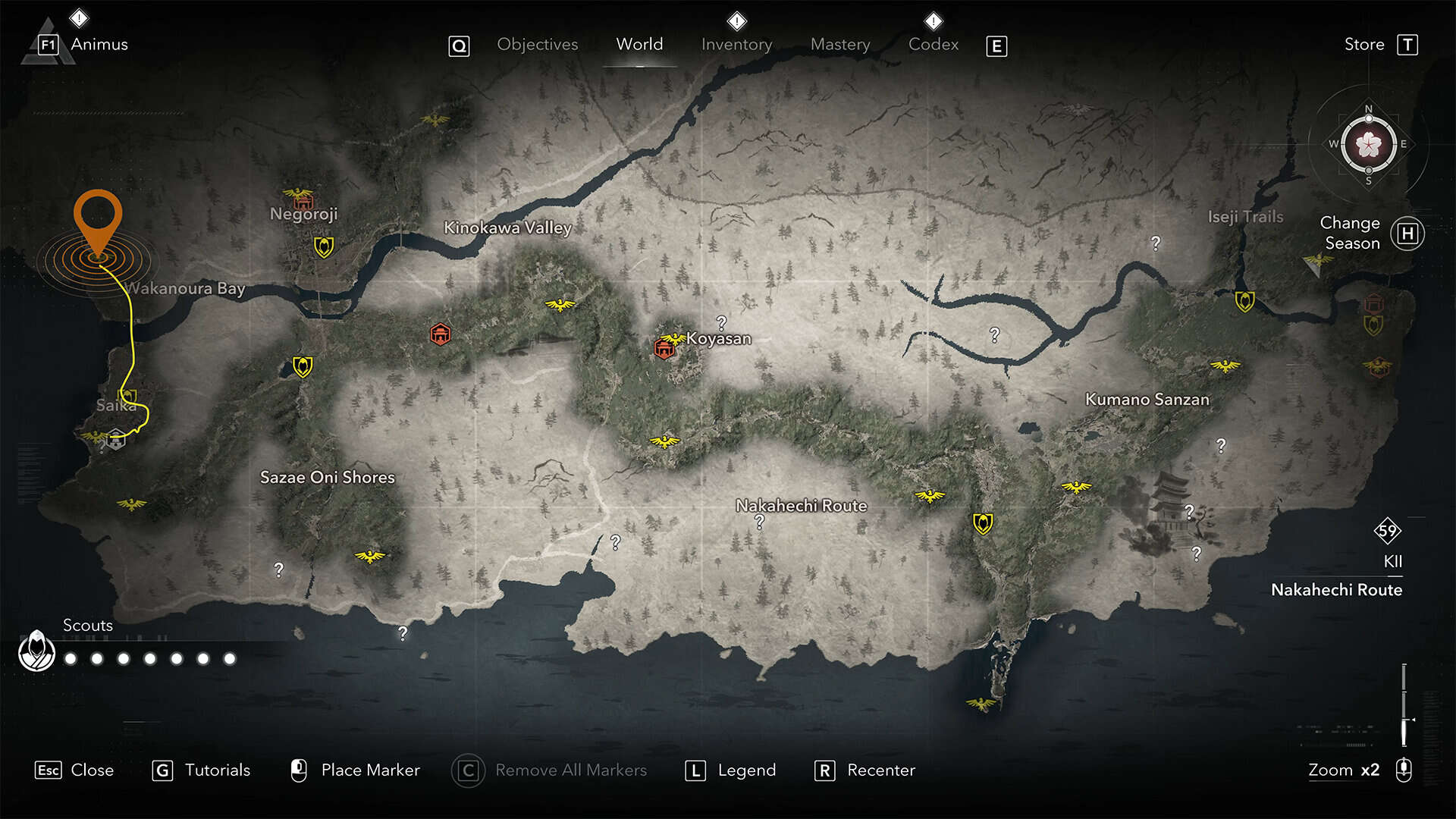
The Tsuchibashi Fort Watchtower in Assassin’s Creed Shadows is a fictional structure, but it clearly conveys the real military logic of the Sengoku period. The name Tsuchibashi literally means “earth bridge” — a reference to the wooden towers and embankments that were built quickly and en masse during the constant wars. What is impressive is that such watchtowers were often erected in a matter of days and could actually decide the outcome of a battle, as early detection of the enemy was more important than strong walls.
-
- Tsuchibashi Fort Watchtower location
-
- View from Tsuchibashi Fort Watchtower
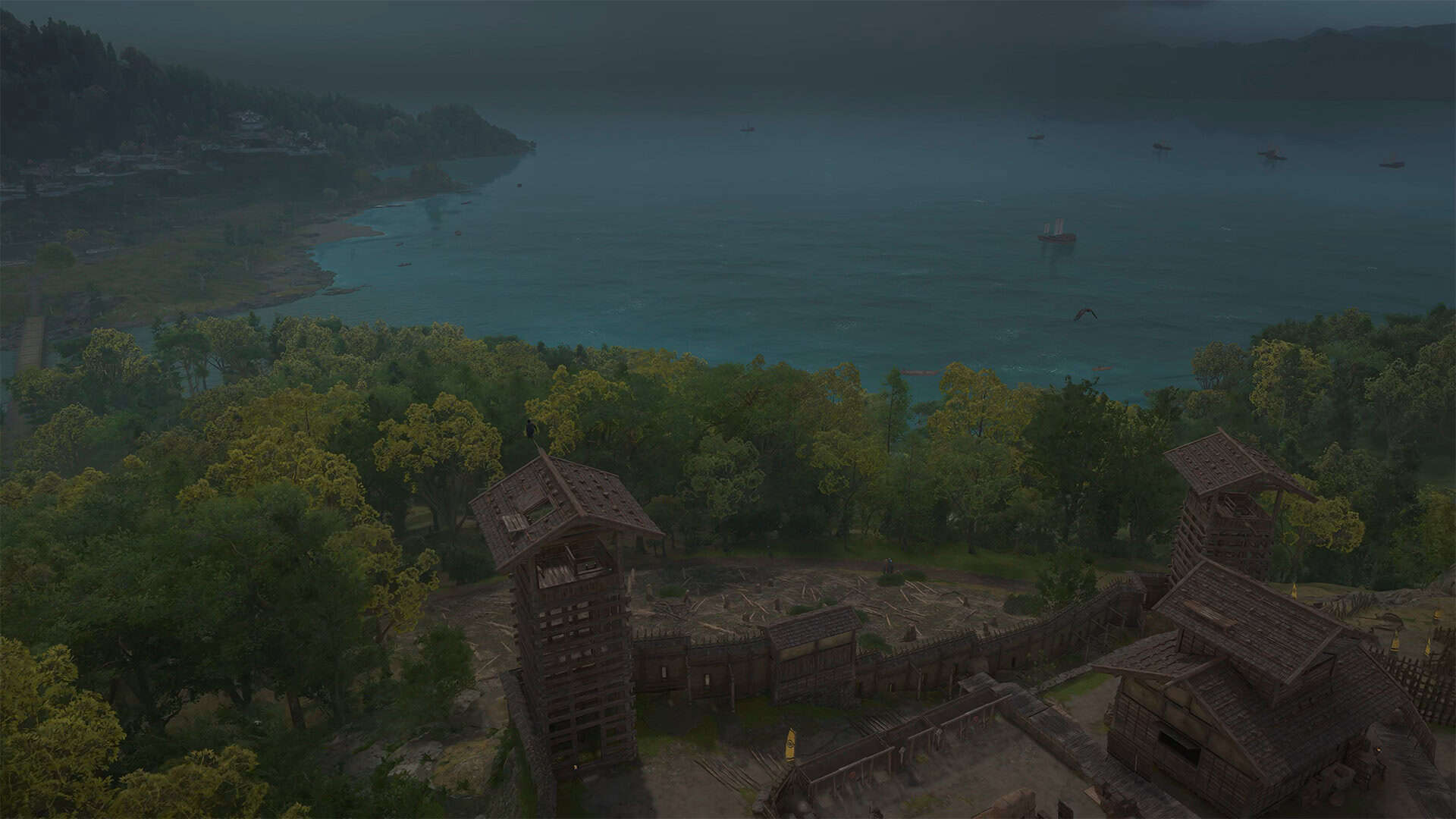
Viewpoint #5 Negoroji Tahoto Pagoda
The fifth viewpoint, Negoroji Tahoto Pagoda, in Assassin’s Creed Shadows has a direct real-life prototype. There really is a Negoro-ji temple in Japan, and its two-story tahoto pagoda is considered one of the most impressive in the country. An amazing fact is that Negoro-ji was not just a religious center, but actually a military force: in the 16th century, its warrior monks controlled the region and had their own armies.
This is why Oda Nobunaga ordered the complex to be destroyed, but the pagoda miraculously survived fires and wars and still stands today as a symbol of the combination of faith, strength, and survival — themes that resonate perfectly with the world of Assassin’s Creed.
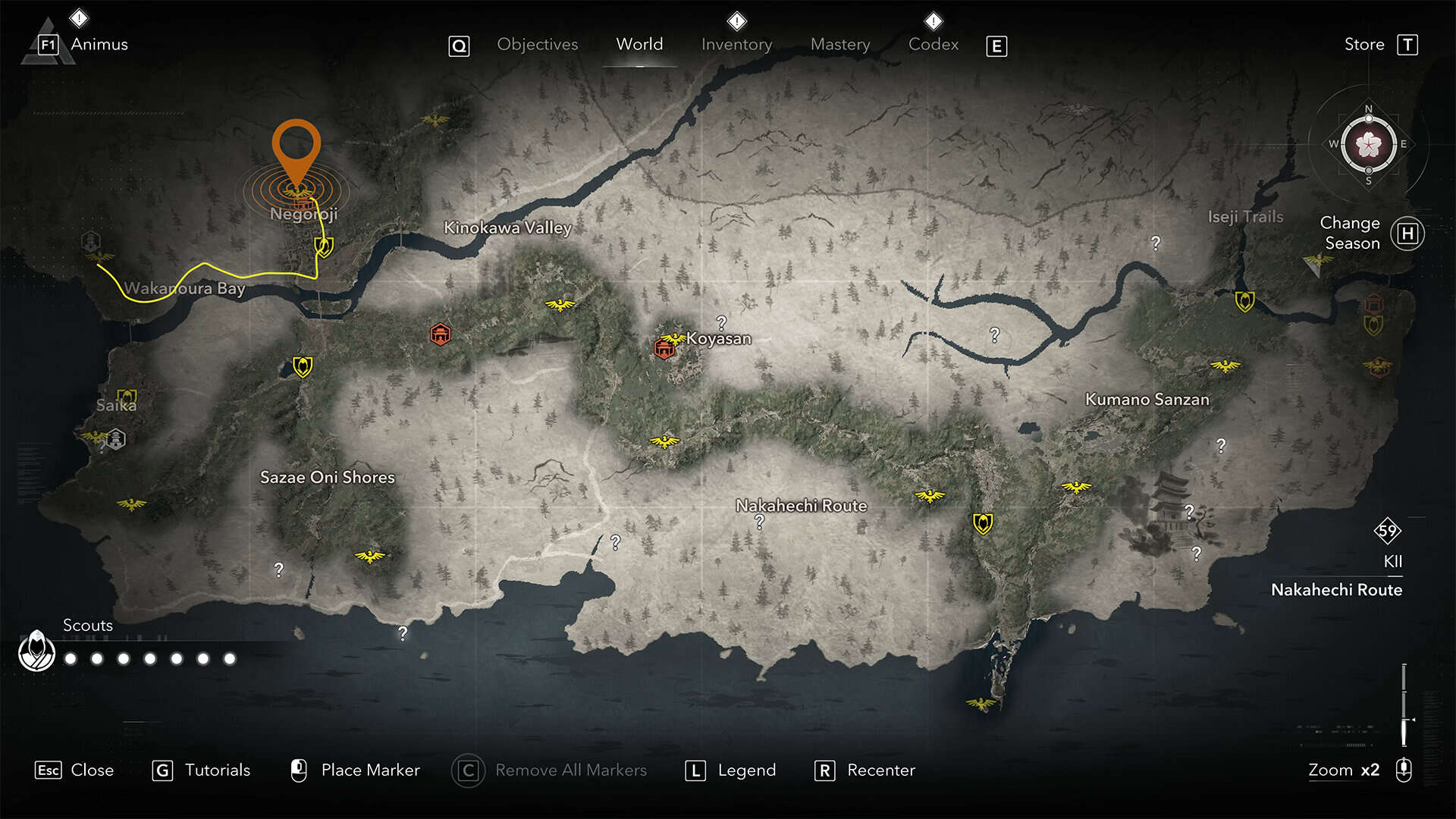
-
- Negoroji Tahoto Pagoda location
-
- View from Negoroji Tahoto Pagoda
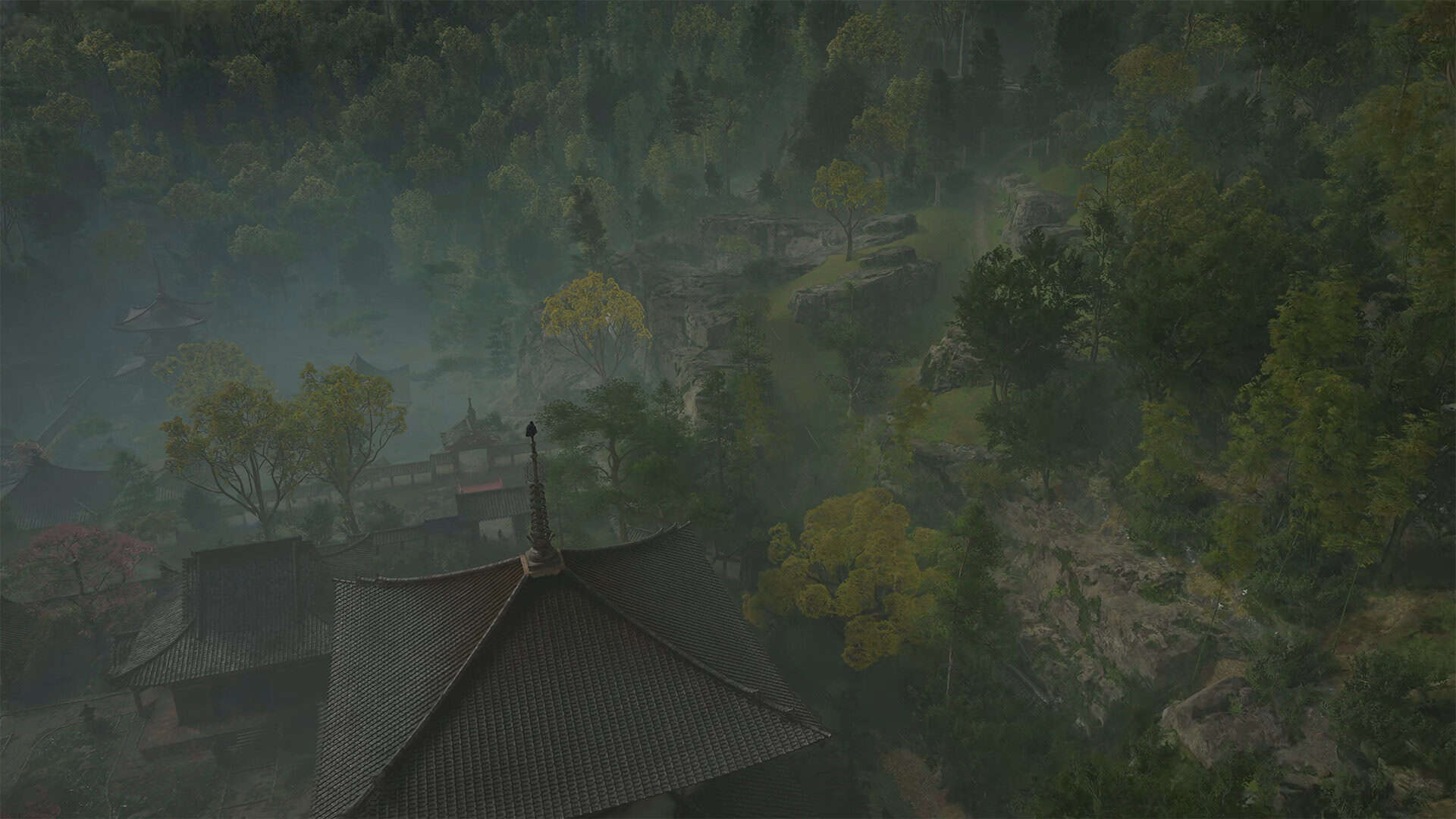
Viewpoint #6 Mandoyama Tower
The sixth viewpoint, Mandoyama Tower, in Assassin’s Creed Shadows is a fictional structure, but it accurately reflects the real role of mountain watchtowers in feudal Japan. Such towers were built on mountain tops not for defense, but to control roads, signals, and army movements. It is impressive that, thanks to a system of fire and smoke, information could be transmitted between such points over tens of kilometers in a matter of minutes. Mandoyama Tower in the game emphasizes the strategic importance of height and the feeling of complete control over the region.
-
- Mandoyama Tower location
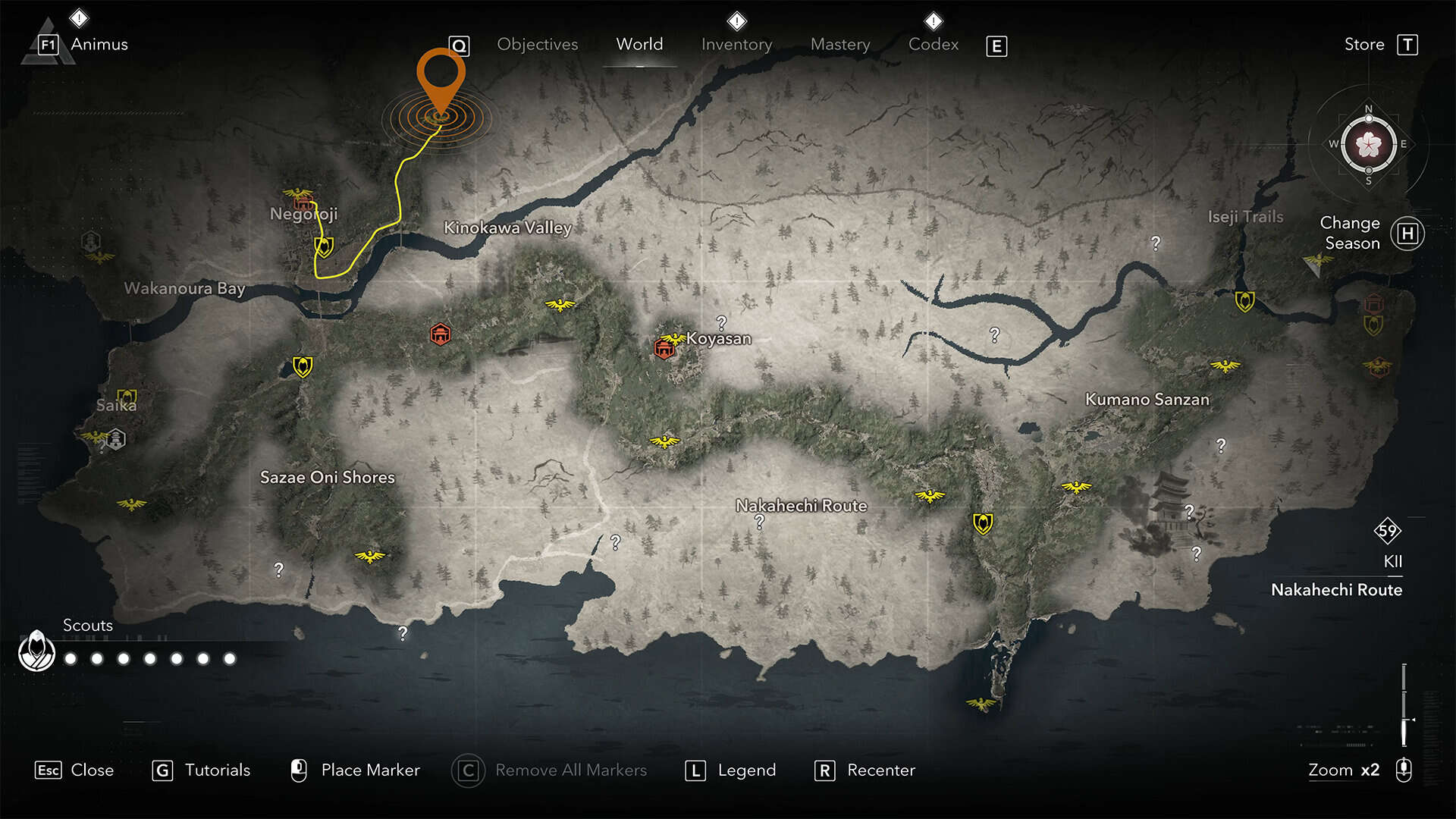
-
- View from Mandoyama Tower
Viewpoint #7 Mount Koya
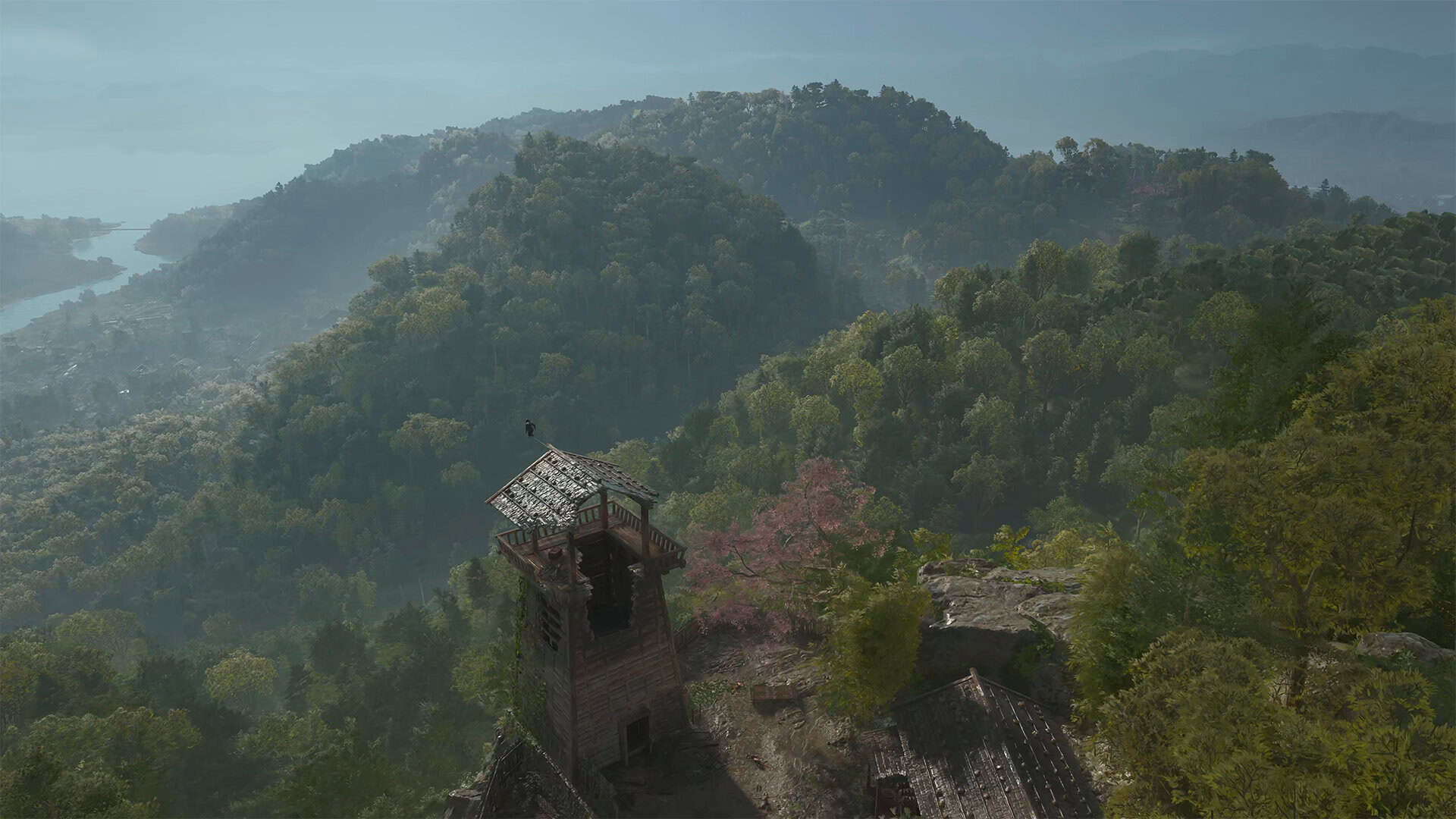
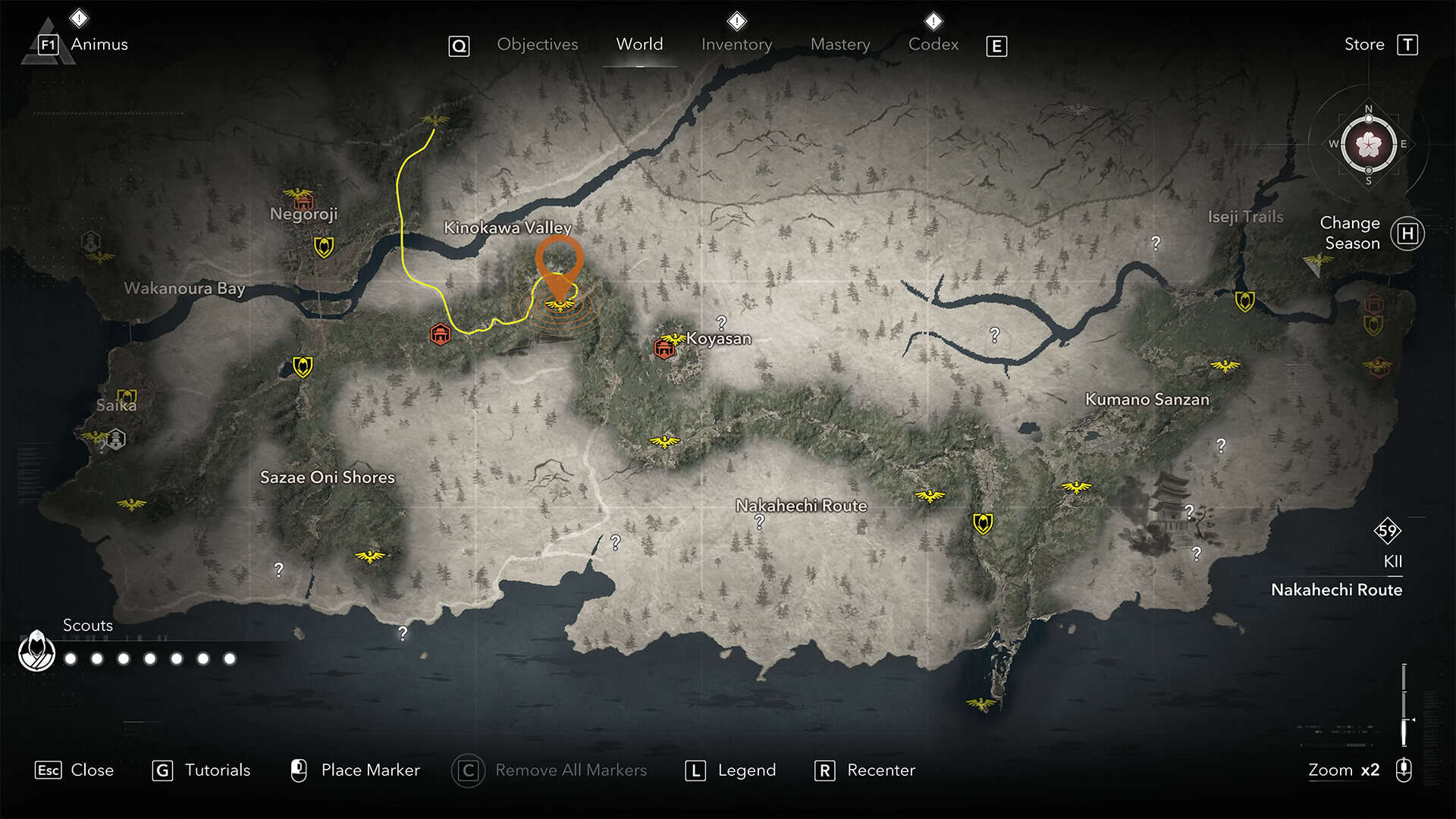
The seventh viewpoint, Mount Koya in Assassin’s Creed Shadows, is based on a real place – a sacred mountain in Wakayama Prefecture, where in the 8th century, the monk Kukai founded the center of Shingon Buddhism. The mountain is home to over a hundred temples and the Kokubunji cemetery, where thousands of monks and prominent figures of Japan are buried, and among them you can see traditional wooden monuments that have stood in their places for centuries.
In the game, the mountain conveys the grandeur of spiritual space, the mystery of religious life, and the feeling that you are ascending to a place where faith, history, and nature intertwine.
-
- Mount Koya location
-
- View from Mount Koya
Viewpoint #8 Konpon Daito Pagoda
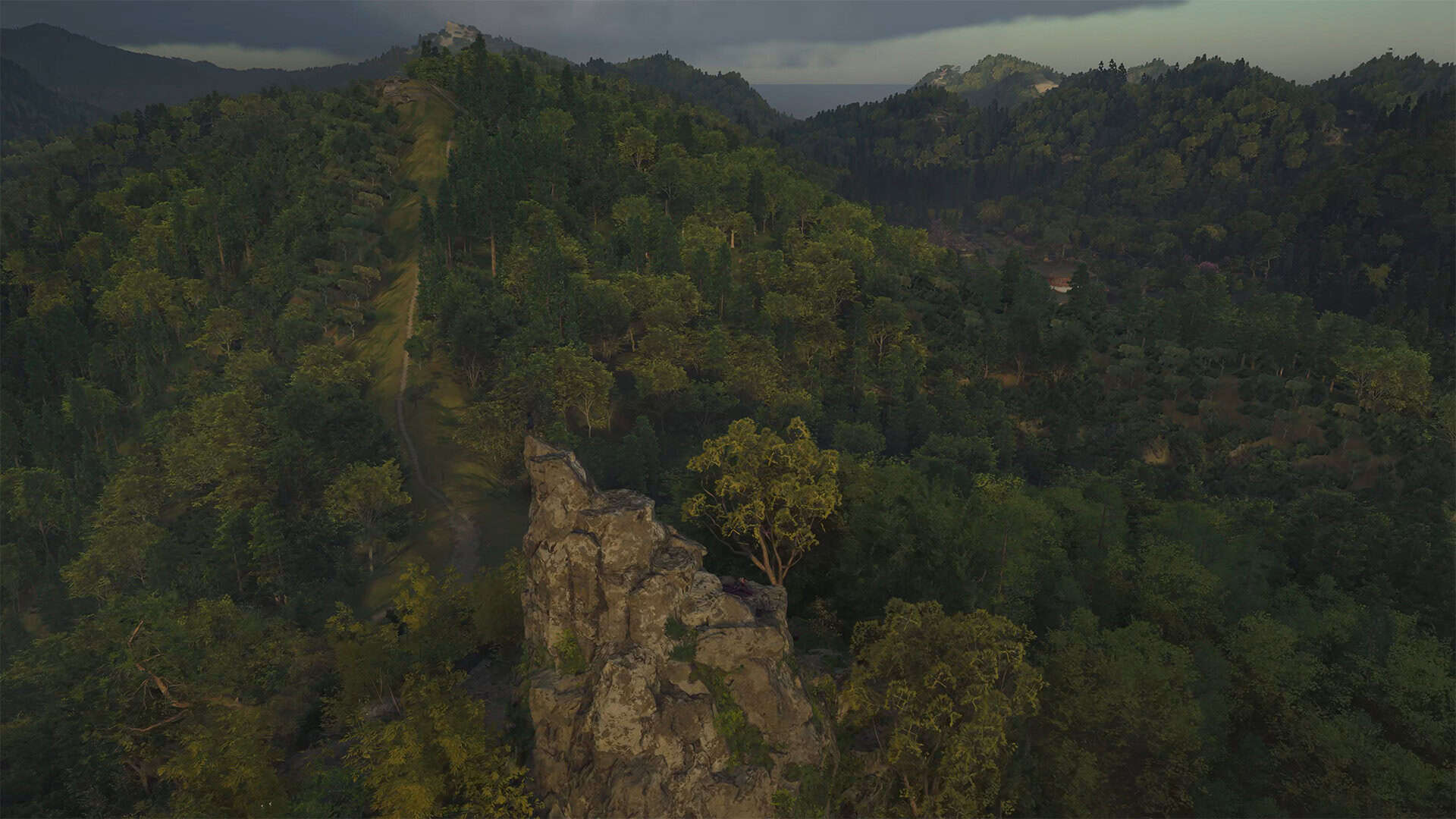
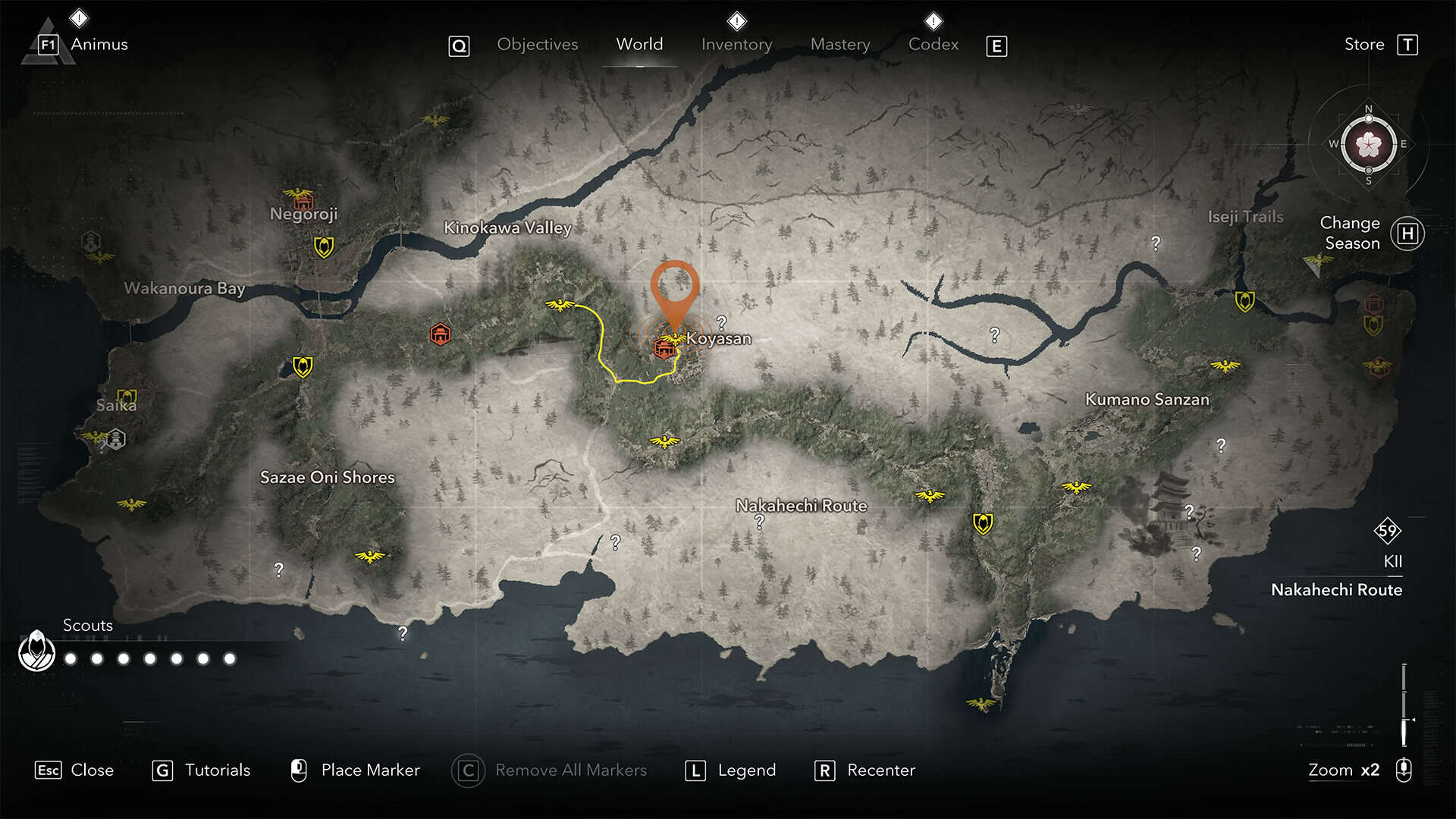
The eighth viewpoint, Konpon Daito Pagoda, in Assassin’s Creed Shadows has a real-life counterpart on Mount Koya, where this pagoda is the heart of a Shingon monastery. It is impressive that Konpon Daito is a huge two-story wooden structure, a symbol of cosmic order, designed to reflect the Buddhist concept of the universe. During the pagoda’s consecration, each corner was carefully aligned with the cardinal directions, and the interior was filled with statues of Buddhas and bodhisattvas, creating a sense of divine order.
In the game, it conveys the scale, spirituality, and atmosphere of feudal Japan, where religion was inseparable from everyday life.
-
- Konpon Daito Pagoda location
-
- View from Konpon Daito Pagoda
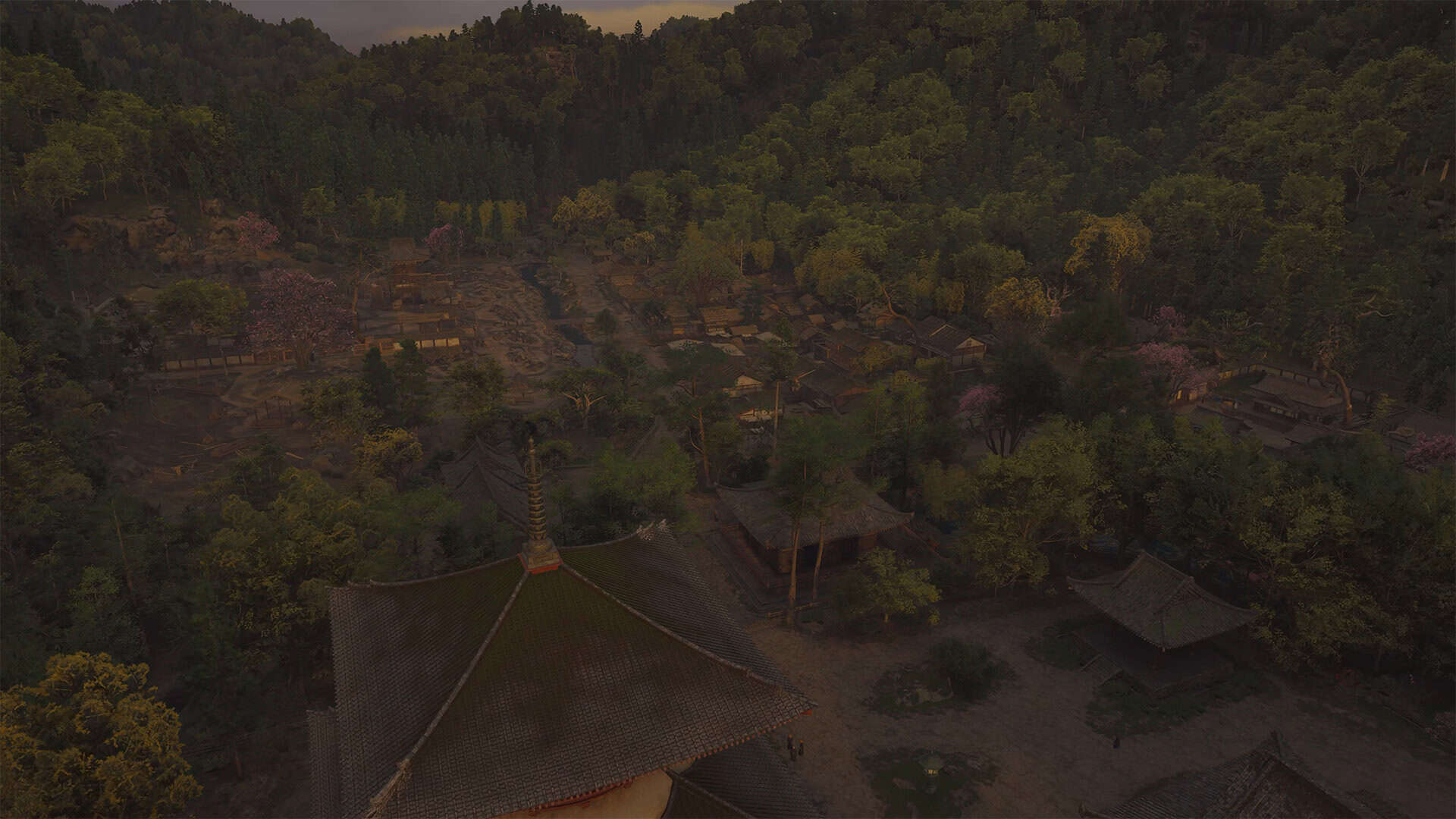
Viewpoint #9 Kamimisu Heights
The ninth viewpoint, Kamimisu Heights, in Assassin’s Creed Shadows is a fictional location, but it accurately conveys the atmosphere of the high mountain plateaus of feudal Japan. Such heights were used to observe roads and valleys, controlling the movements of enemies and armies. It is striking that even a small hill could be strategically decisive, as it was possible to see preparations for battle several kilometers away from there.
In the game, Kamimisu Heights creates a sense of power over the territory and emphasizes the importance of caution and reconnaissance in the world of warring clans.
-
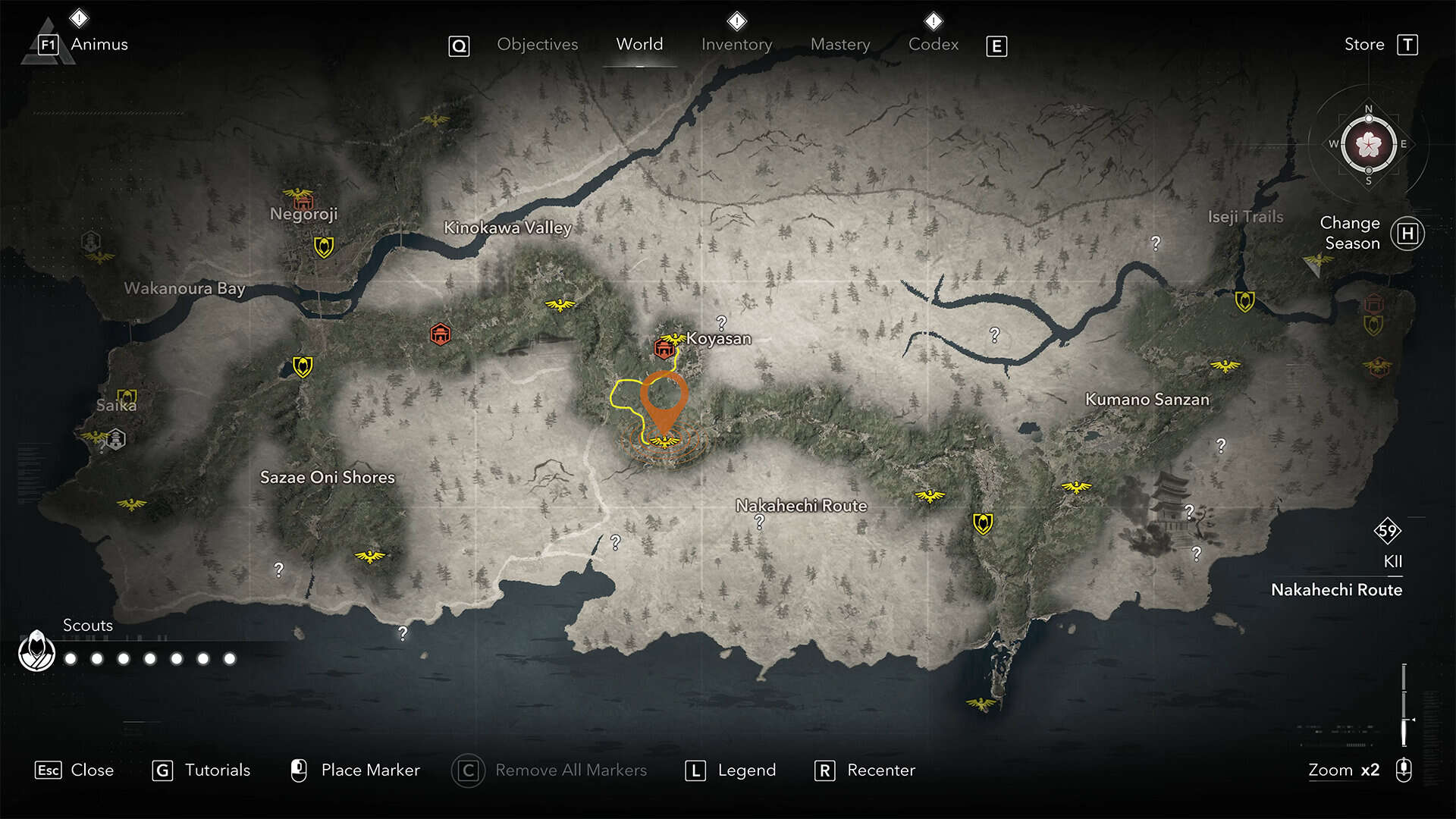
- Kamimisu Heights location
-
- View from Kamimisu Heights
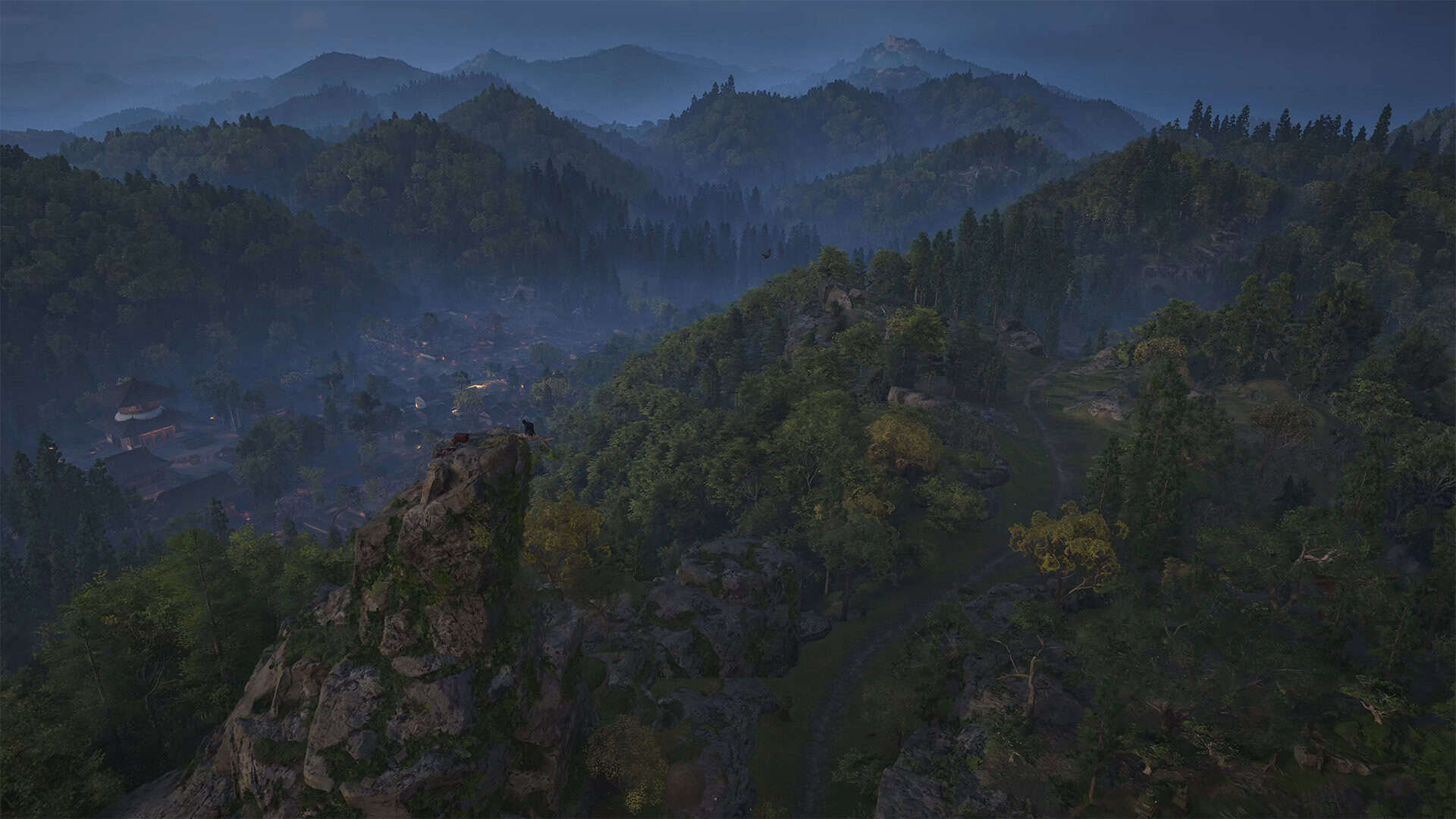
Viewpoint #10 Mount Oto Watchtower
The tenth viewpoint, Mount Oto Watchtower, in Assassin’s Creed Shadows is a fictional structure, but it recreates the spirit of real watchtowers in feudal Japan. Such towers were built on mountain slopes for early detection of enemies and signaling allies. The fire and smoke system allowed messages to be transmitted tens of kilometers in a matter of minutes.
In the game, this watchtower conveys a sense of control over the region and the tense atmosphere of constant danger in the era of warring clans.
-
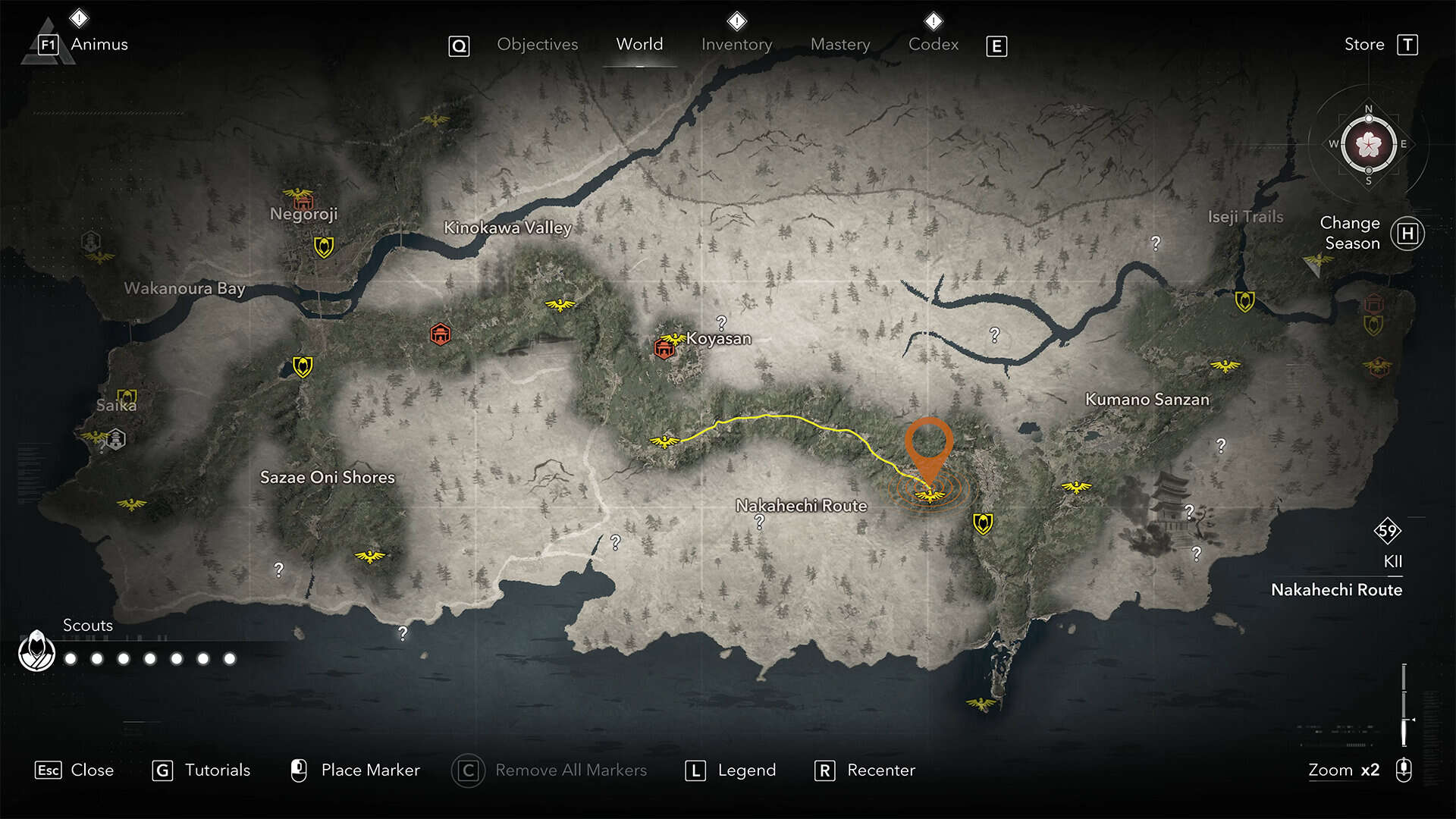
- Mount Oto Watchtower location
-
- View from Mount Oto Watchtower
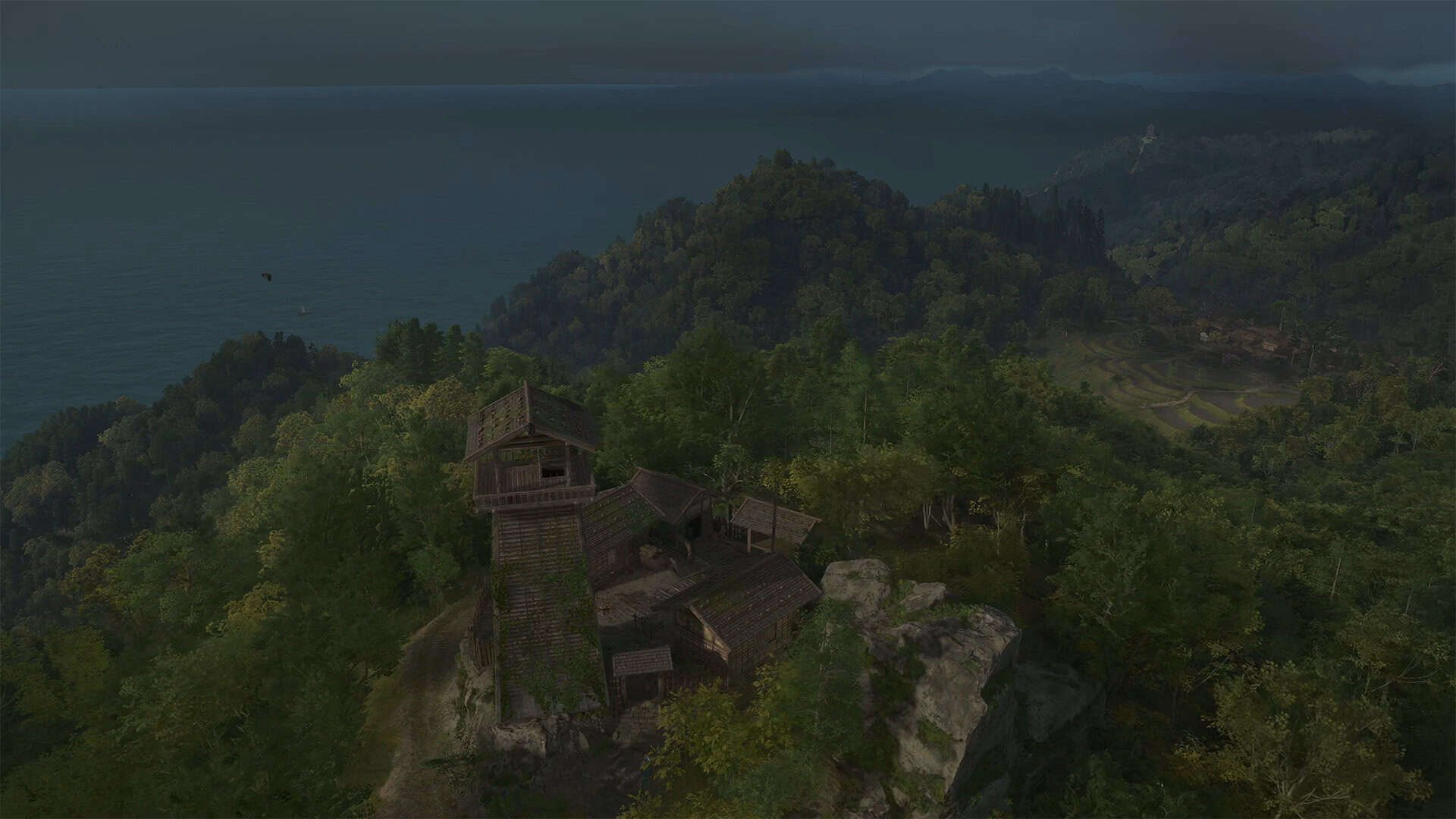
Viewpoint #11 Hashigui-iwa Overlook
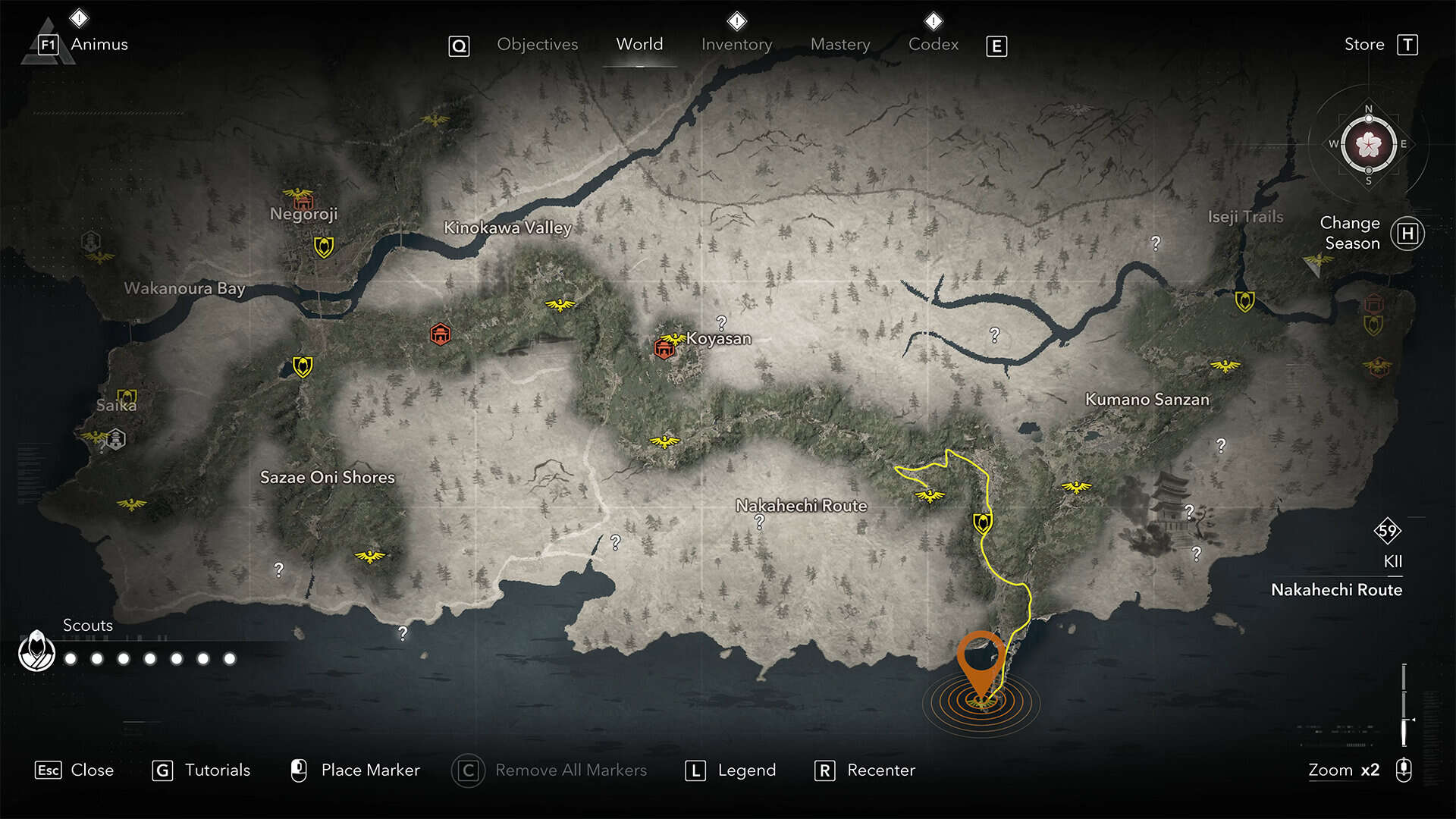
The eleventh viewpoint, Hashigui-iwa Overlook, in Assassin’s Creed Shadows is a fictional viewpoint located at the top of a ship’s mast in the middle of the sea, but it is inspired by the real shape of the Hashigui-iwa rocks in Japan. These basalt rocks form an almost perfect line above the water, creating the feeling that nature itself has paved the way for the traveler.
In the game, this mast conveys a sense of height, danger, and freedom of water travel, while also emphasizing the atmosphere of feudal Japan, where the sea and coastline were an integral part of life and strategic routes.
-
- Hashigui-iwa Overlook location
-
- View from Hashigui-iwa Overlook
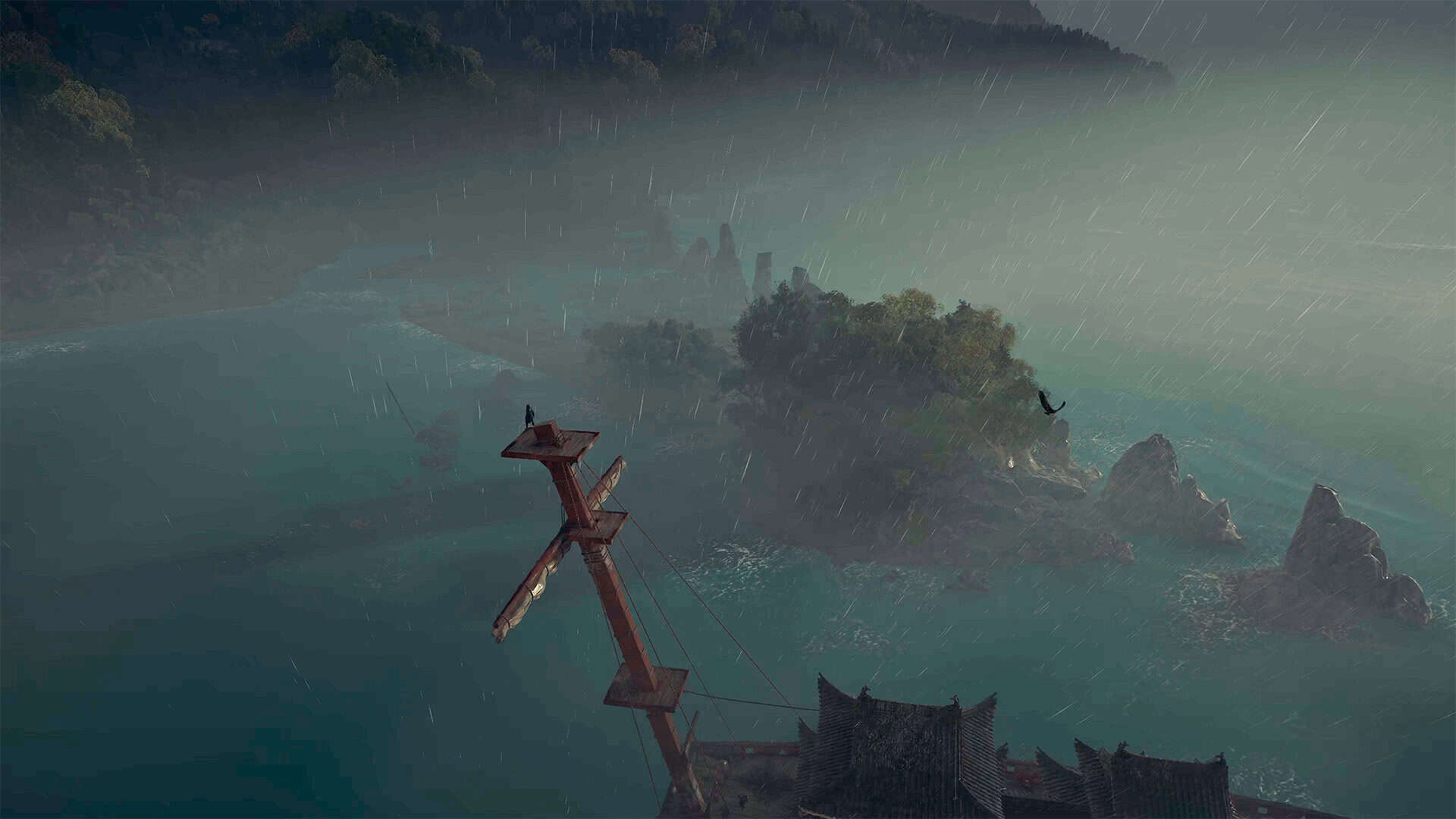
Viewpoint #12 Mount Takayama
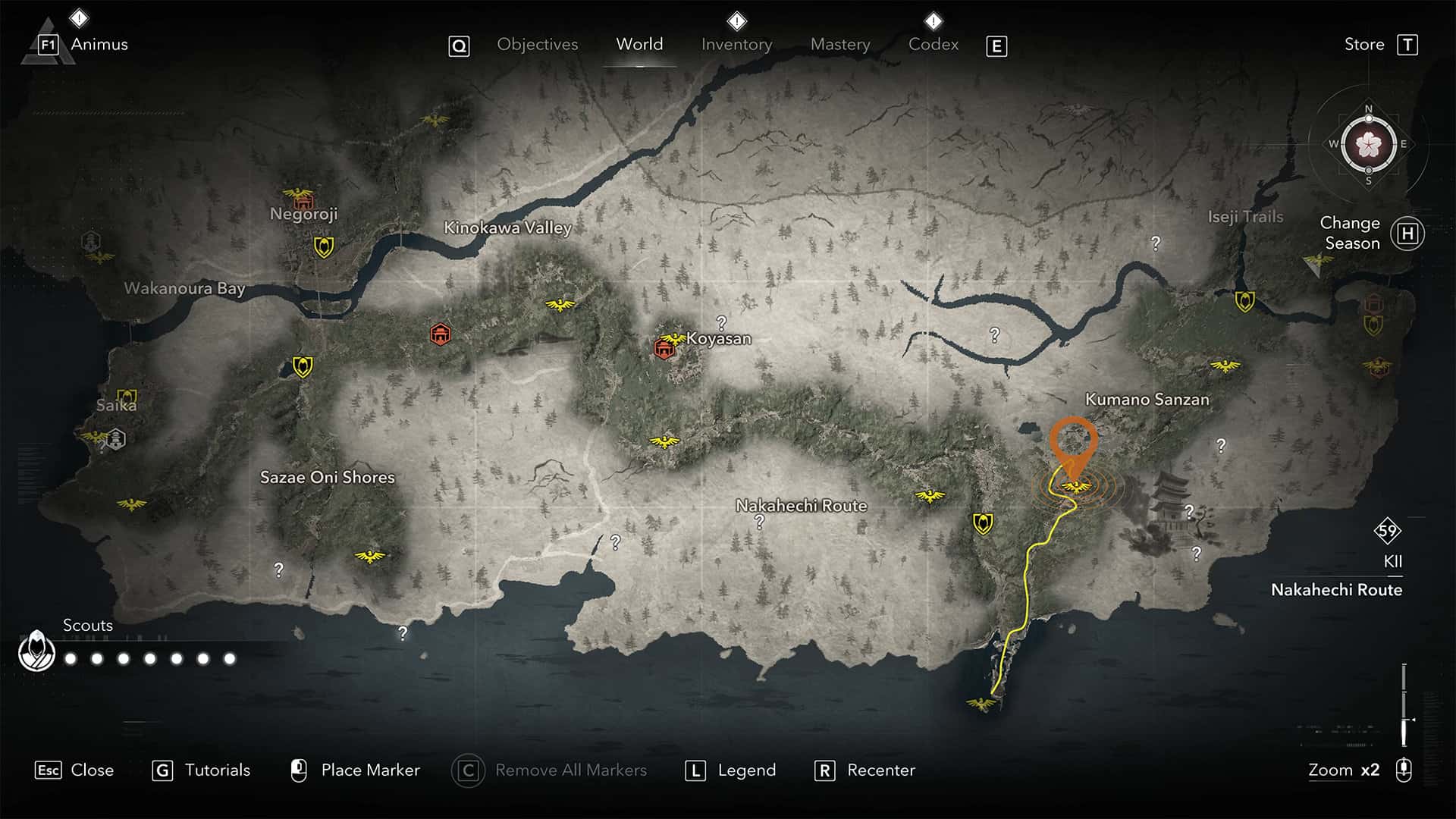
The twelfth viewpoint, Mount Takayama, in Assassin’s Creed Shadows is a fictional peak, but it captures the spirit of real Japanese mountain ranges. Such heights were used to observe valleys and roads, and the panoramic view provided a strategic advantage. Even a small mountain could change the outcome of a battle, as enemies could be spotted from dozens of kilometers away.
In the game, Mount Takayama creates an atmosphere of natural grandeur, danger, and control over the territory, emphasizing the importance of tactics in feudal Japan.
-
- Mount Takayama location
-
- View from Mount Takayamak
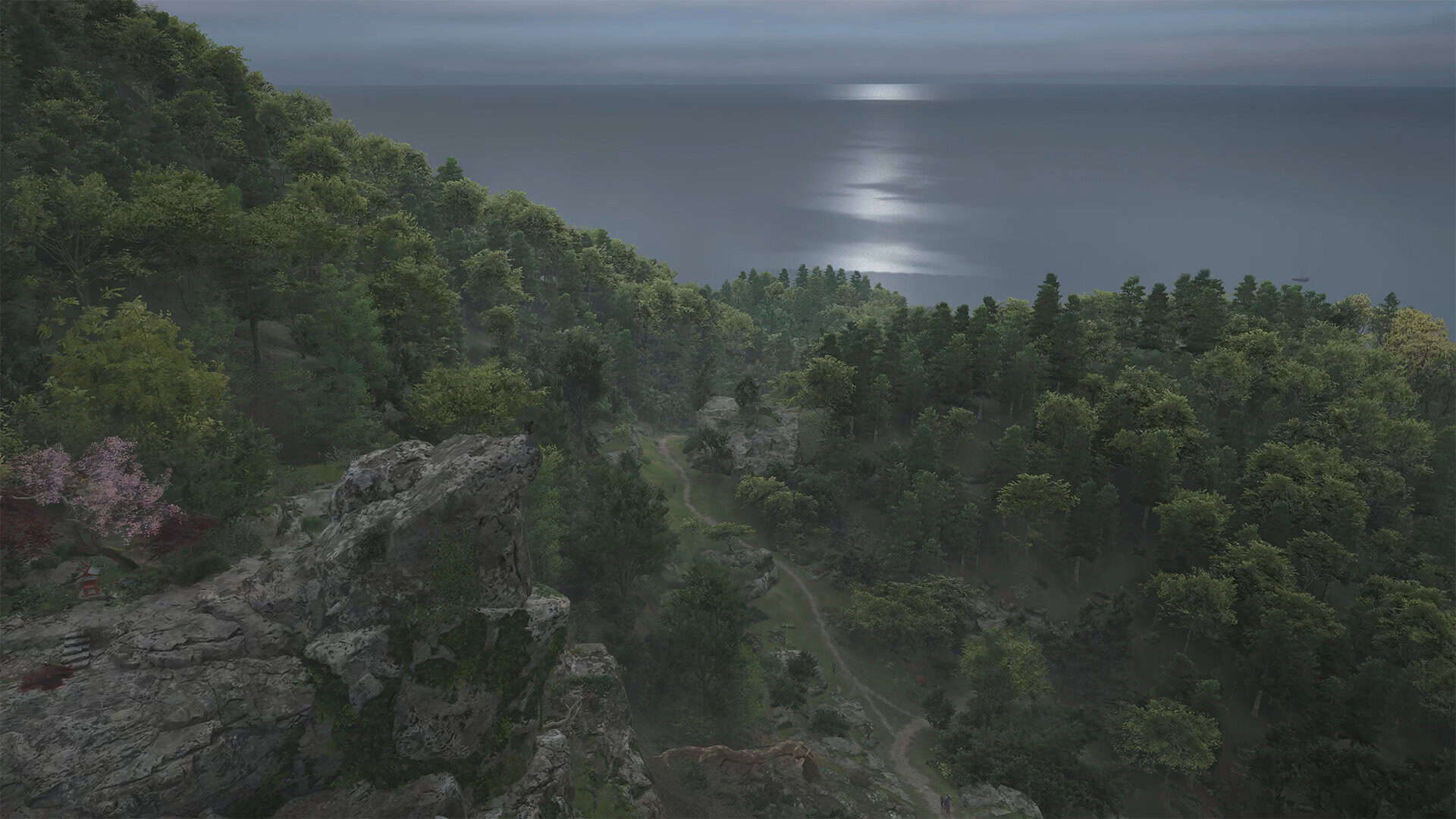
Viewpoint #13 Maruyama Shrine
The thirteenth viewpoint, Maruyama Shrine, in Assassin’s Creed Shadows has a real-life counterpart—numerous Shinto shrines with this name in Japan, where the spirits of nature and ancestors are worshipped. The most famous Maruyama Shrine in Kyoto is known for its hundreds of cherry trees, which create an incredible pink sea of flowers in spring and are illuminated by lanterns at night, adding a mystical atmosphere.
In the game, this shrine conveys a sense of peace, spirituality, and harmony with nature, emphasizing the importance of religion and traditions in feudal Japan.
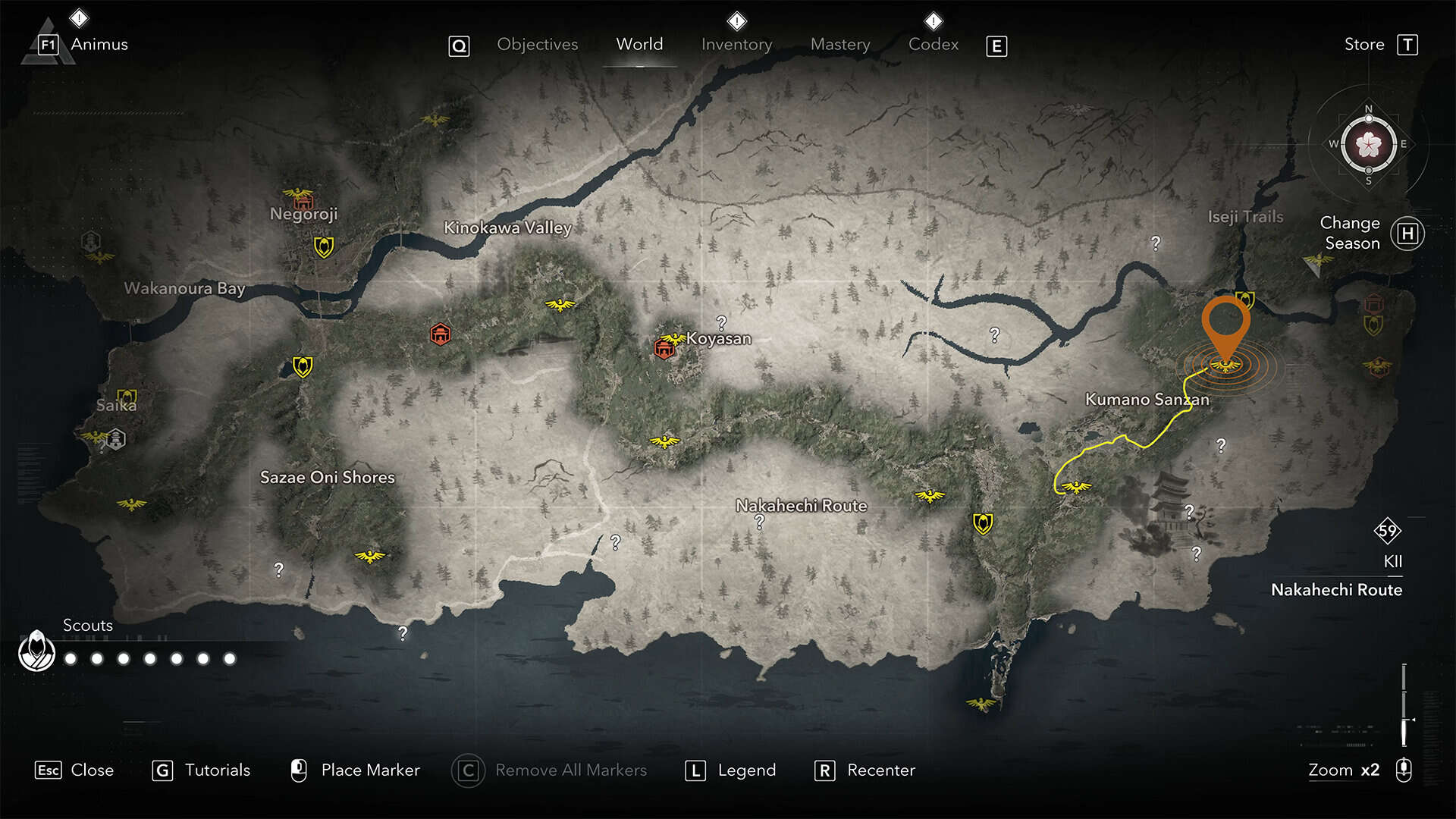
-
- Maruyama Shrine location
-
- View from Maruyama Shrine
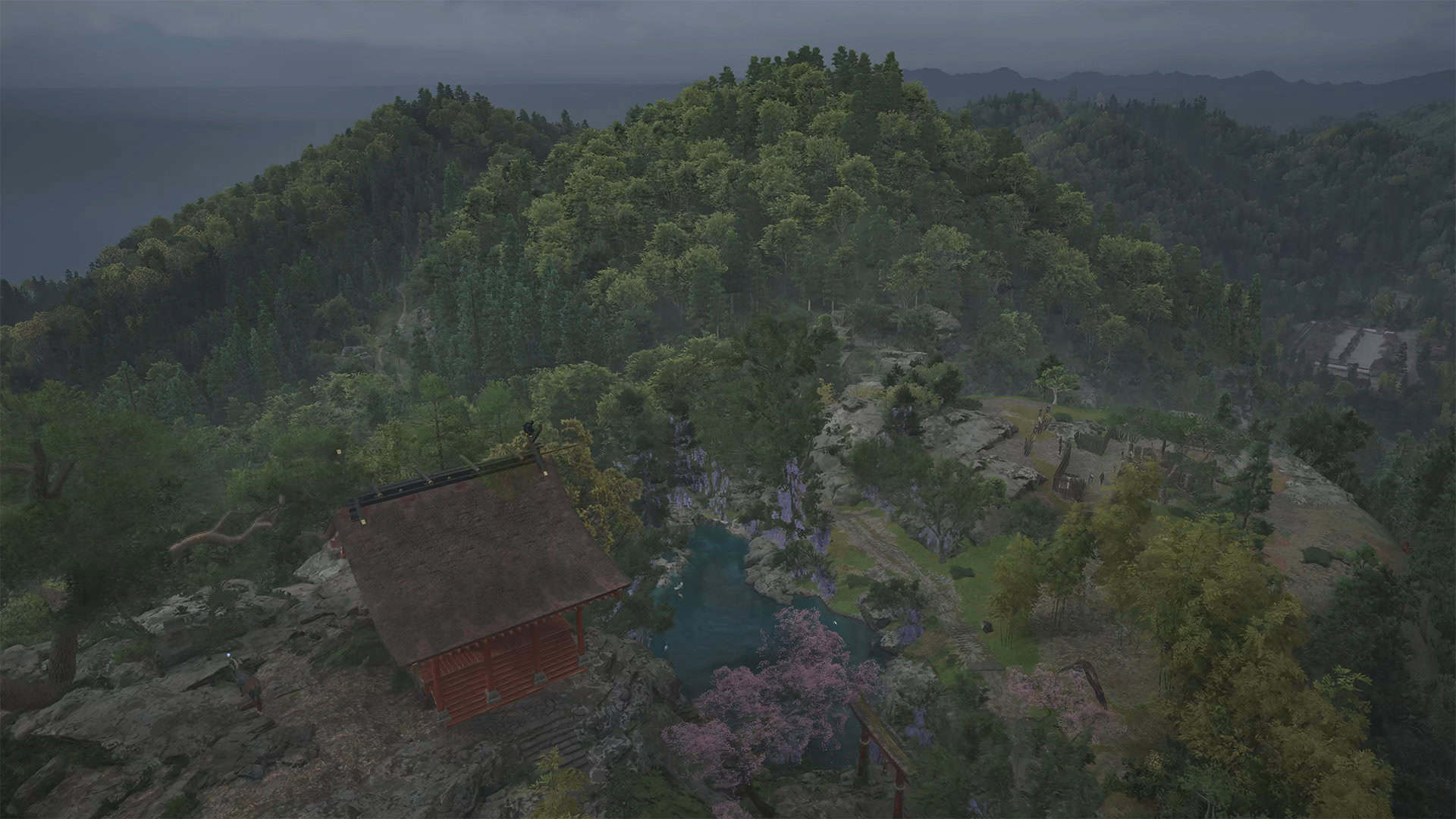
Viewpoint #14 Sewara Inari Shrine
The fourteenth viewpoint, Sewara Inari Shrine, in Assassin’s Creed Shadows is inspired by real Inari shrines in Japan, where the god of rice and prosperity, Inari, is worshipped. It is impressive that such shrines are known for thousands of red torii gates that create long tunnels leading to the main temple, and it is truly captivating with its grandeur and rhythm of space.
In the game, Sewara Inari Shrine conveys a sense of spiritual power, hidden paths, and mystery, and emphasizes the close connection between religion and everyday life in feudal Japan.
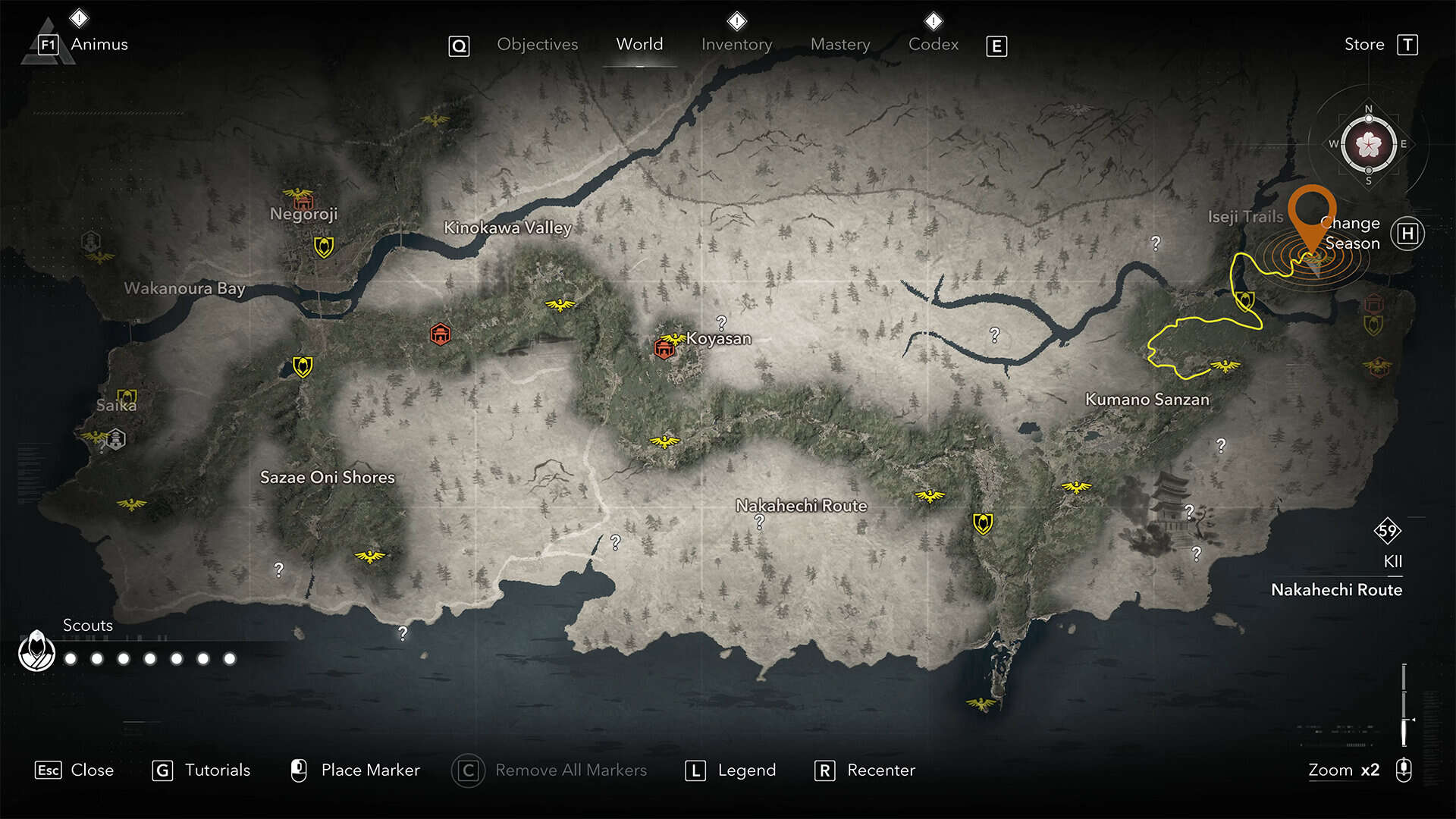
-
- Sewara Inari Shrine location
-
- View from Sewara Inari Shrine
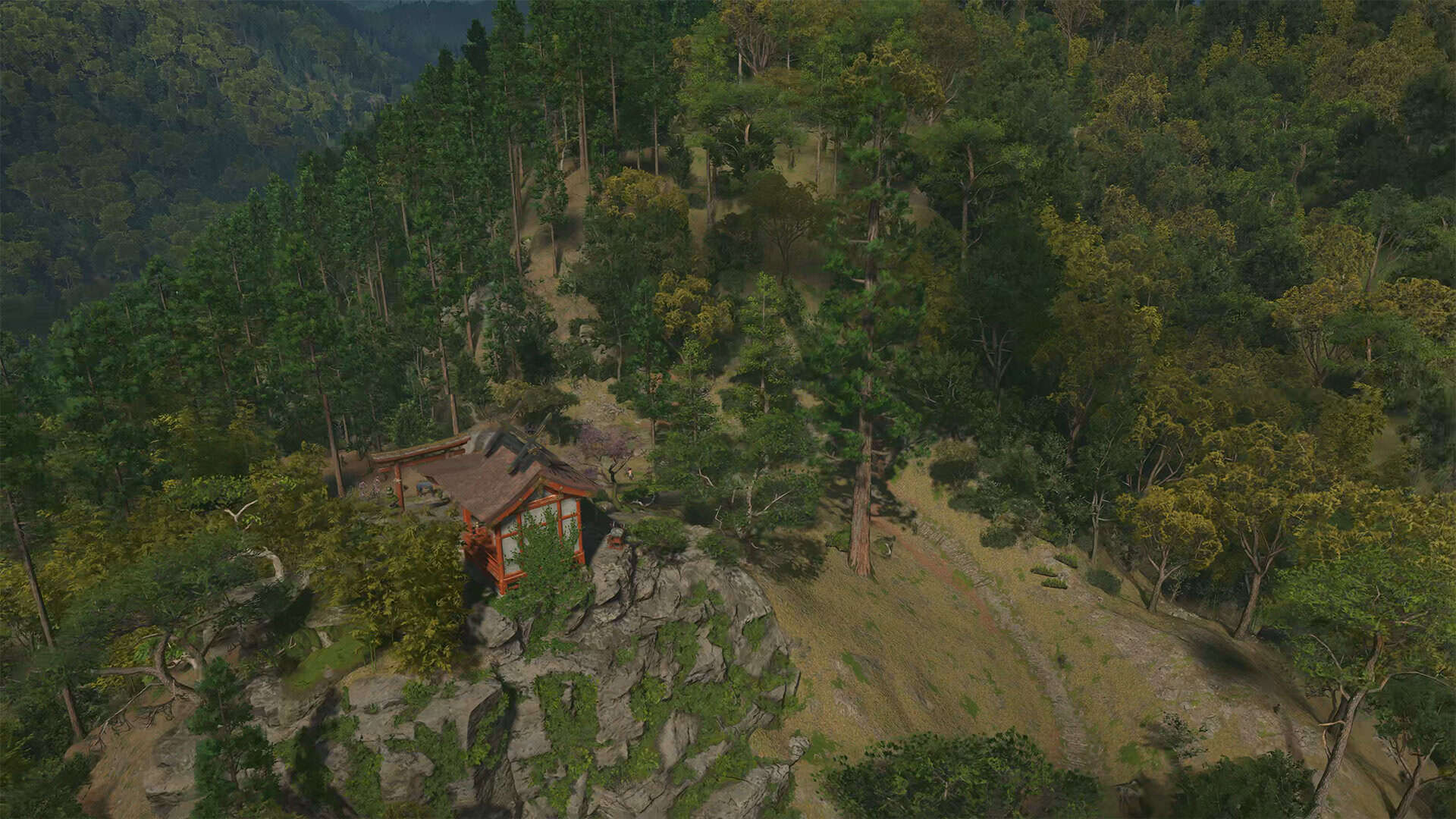
Viewpoint #15 Kamikura Shrine Overlook
The fifteenth viewpoint, Kamikura Shrine Overlook, in Assassin’s Creed Shadows is a fictional location, but it recreates the atmosphere of real Japanese shrines located on high ground. Such places were built on rocky cliffs to emphasize the connection between humans and the sky and spirits of nature. From such heights, panoramic views of valleys and forests open up, and the ascent to the shrine becomes a real test of endurance.
In the game, this overlook creates a sense of spirituality, the grandeur of nature, and at the same time a strategic overview, emphasizing the atmosphere of feudal Japan.
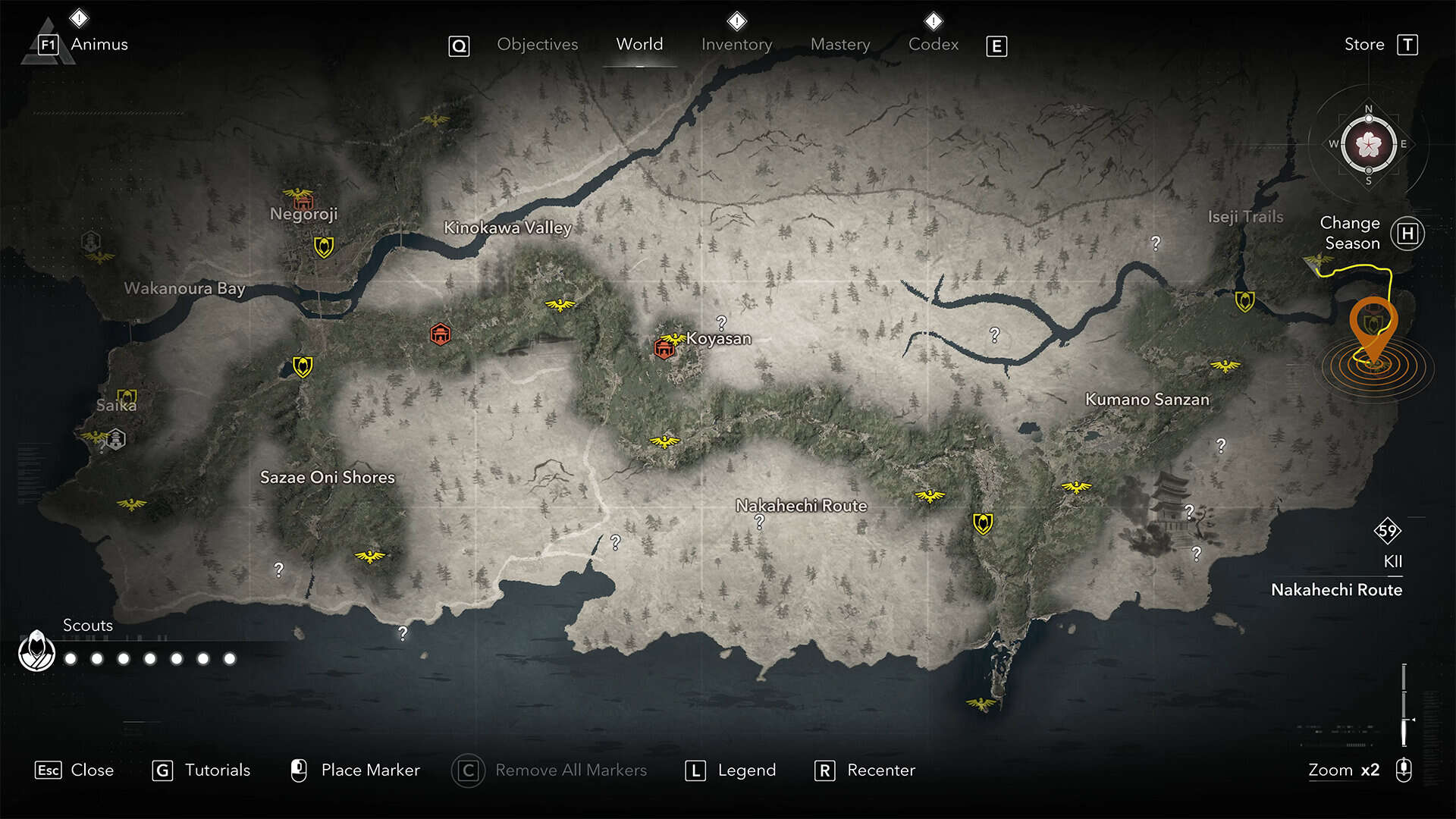
-
- Kamikura Shrine Overlook location
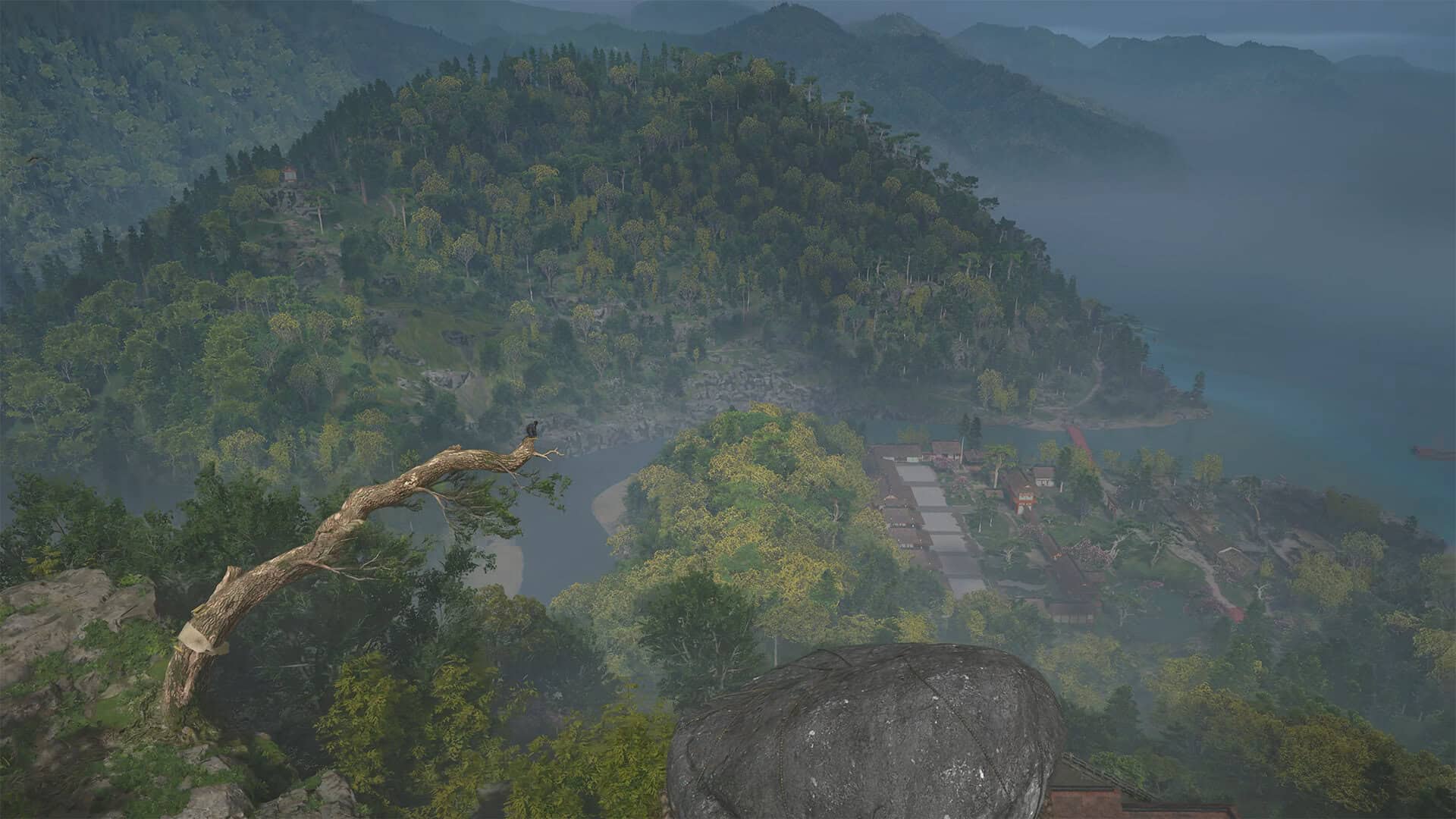
-
- View from Kamikura Shrine Overlook



getting a post natal massage -
People now really have to read and learn somewhat more in relation to many of these topics, despite the fact
that there will in no way be quite enough hours.
Right after precious time for relatives and buddies, and
needless to say doing business, just what time is remaining to
devote to understanding all these most essential theories?
Being an individual practicing post-partum massage therapy, alongside setting up web-sites and working with a
lot of servers, spare time is sure enough a thing i do not already
have a lot of. Almost certainly, I’ll be capable of finding the time
period important to study this significant topic more thoroughly.
Thanks to you for imparting this particular invaluable
resource.